 Home Tech Exterior
Hey there, homeowner or designer! Ever stood in front of a building and wondered why some exteriors just scream elegance while others feel rugged and timeless? That’s the magic of stone finishes at play. Today, we’re diving deep into the world of polished versus rough stone finishes for your home’s exterior. Whether you’re renovating your dream house or just curious about what makes a facade pop, this guide will help you decide which one aligns with your vibe. We’ll break it down step by step, from basics to pro tips, all while keeping things real and relatable. Think of it like choosing between a sleek sports car and a tough off-roader—both awesome, but for different roads.Understanding Stone Finishes: The Basics
Hey, let’s kick this off with the fundamentals, shall we? If you’re eyeing stone for your home’s exterior, getting a grip on finishes is crucial—it’s like picking the right outfit for your house. Stone finishes aren’t just about pretty looks; they change how the material behaves in wind, rain, sun, and everyday wear. Basically, a finish is the way the stone’s surface gets treated after it’s cut from the quarry. Some are super smooth and reflective, others bumpy and grippy. For exteriors, this choice affects everything from slip safety on walkways to how well it holds up against the elements.
Think of it this way: Polished finishes are like a brand-new luxury car—shiny, eye-catching, but maybe not ideal for off-road adventures. Rough or textured ones? They’re more like a rugged jeep, built to handle tough terrain without complaining. But there’s a whole spectrum in between, and that’s what makes natural stone so versatile for outside walls, patios, driveways, or accents.
Why Stone Finishes Matter for Exteriors
Your home’s outside faces the real world—harsh weather, foot traffic, UV rays, you name it. A good finish boosts durability while dialing in the style. Want a sleek, modern vibe that reflects sunlight and makes colors pop? Go smoother. Prefer something that blends into nature, hides dirt better, and gives traction on wet days? Textured is your friend. Plus, finishes impact maintenance: Shiny ones might show scratches more, while rougher surfaces can trap debris but camouflage flaws.
Ever noticed how some stone facades look timeless and weathered, while others gleam like they’re fresh from a showroom? That’s finishes at work. They also play into safety—nobody wants a slippery entrance after rain—and even energy efficiency, since darker, rough stones absorb heat differently than light, polished ones.
The Main Categories: Smooth vs. Textured
Broadly, stone finishes split into smooth (like polished or honed) and textured (flamed, bush-hammered, etc.). Smooth ones use grinding and abrasives for that flat, refined feel. Textured involve heat, hammering, or blasting for grip and character.
Here’s a quick peek at polished granite on an exterior wall—it really makes the stone shine and stand out.
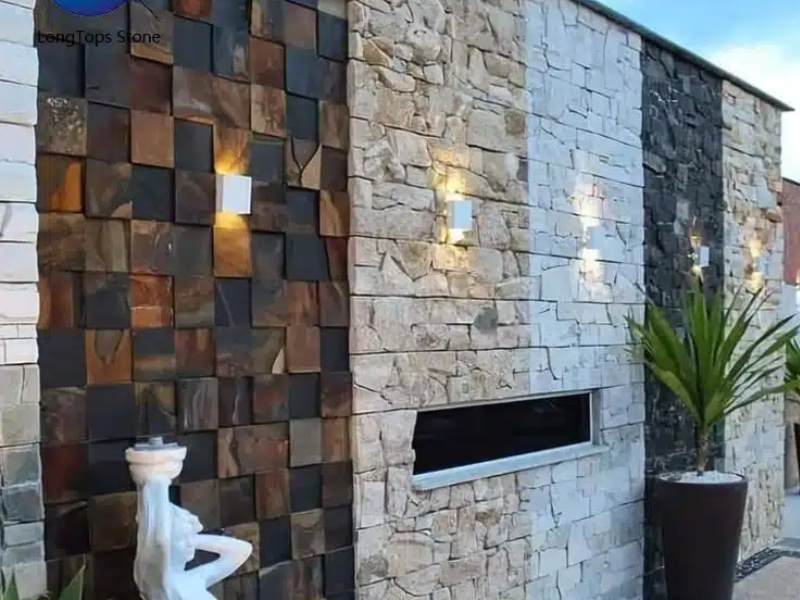

And contrast that with rough, textured facades that feel more organic and rugged.


Common Smooth Finishes Explained
Polished Finish
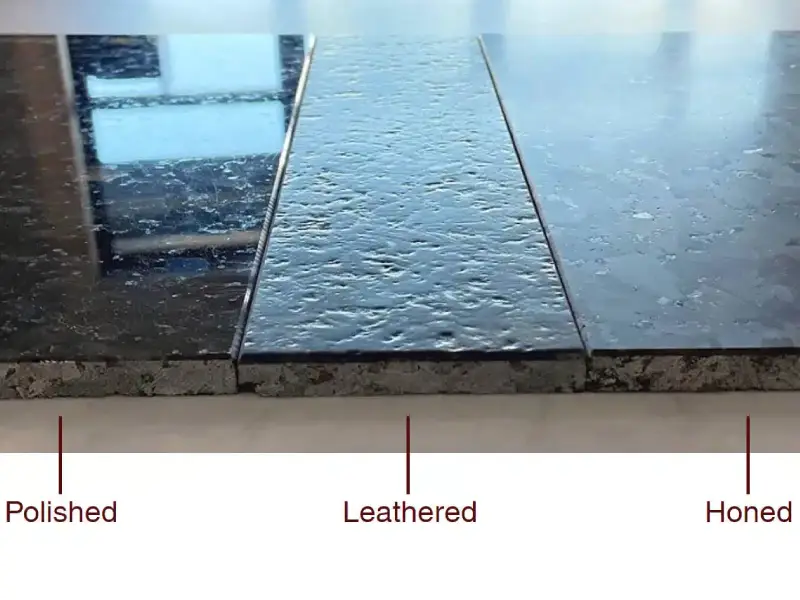
This is the glitziest—stone gets ground with finer and finer abrasives until it’s mirror-like. Colors and veins explode with vibrancy, perfect for making a statement. But outdoors? It can get slippery when wet and show wear faster in polluted areas.
Honed Finish
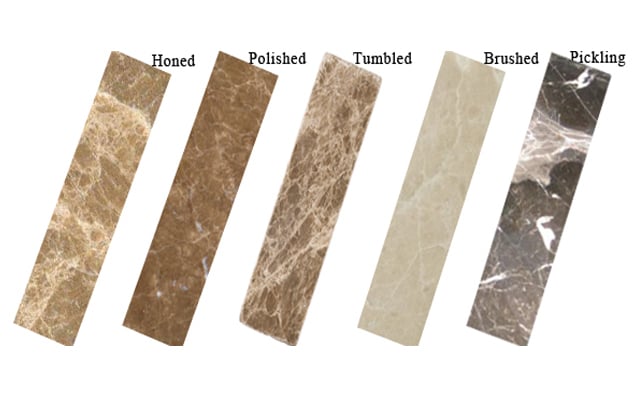
Stop the polishing early, and you get honed: Smooth and flat but matte, no big shine. It’s softer-looking, hides scratches better, and offers some slip resistance. Great for exteriors where you want elegance without the glare.
Check out this close-up of honed stone—velvety and subtle.


Popular Textured (Rough) Finishes
These add that earthy, non-slip magic, ideal for outdoor safety.
Flamed Finish
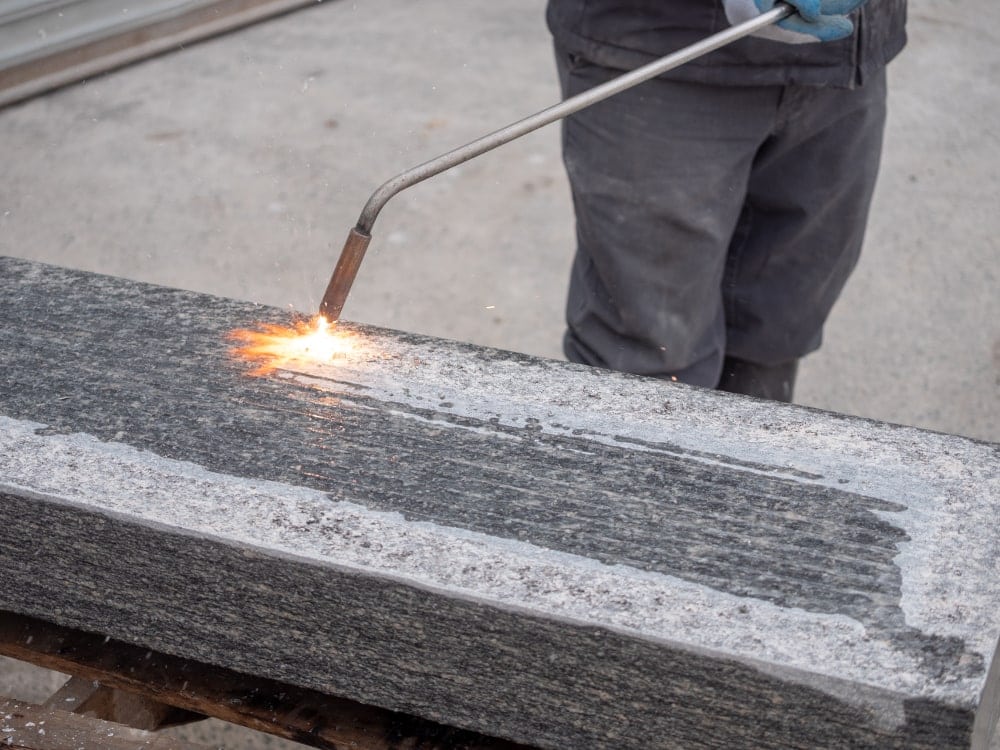
Torch the surface with intense heat, then cool it quick—the top layer bursts, leaving a bumpy, natural texture. Super grippy, fades colors a bit for a muted look. Awesome for patios or paths.
Here’s the rough charm of flamed stone up close.

Bush-Hammered Finish
Pound the stone with a tool that looks like a meat tenderizer (seriously!), creating pitted craters. It’s uniformly rough, hides imperfections, and screams industrial or rustic.
See the deep texture on bush-hammered surfaces.


Other Textured Options
- Split Face or Rock Face: Naturally cleaved for jagged, dramatic edges—think mountain vibes on walls.
- Sandblasted: High-pressure grit for a fine, even roughness, lighter colors often.
- Brushed or Leathered: Gentler texture, like worn leather, for a soft yet grippy feel.
How Finishes Affect Performance Outdoors
Smooth finishes seal pores better, resisting stains but potentially getting slick. Textured ones drain water fast, fight slips, and weather gracefully, though they might collect moss in shady spots. In hot climates, rough absorbs less heat; polished reflects it (but watch the glare!).
Choosing Based on Your Needs
Ask yourself: Modern or traditional? High-traffic or accent? Wet area or dry? Test samples in your actual lighting—stones change appearance big time. And always factor in sealing; most exteriors need it to fight the weather.
Whew, that’s the groundwork laid! Understanding these basics helps you avoid regrets later. Whether you lean polished for that wow factor or rough for practical charm, it’s all about what fits your home’s story. Ready to dive deeper into specifics?
What is a Polished Stone Finish?
Okay, let’s zoom in on the star of the show: the polished stone finish. If you’ve ever admired a high-end kitchen countertop that looks like glass or a luxurious hotel lobby floor that reflects everything around it, you’ve seen polished stone in action. For exteriors, it’s the same idea but on a grander scale—think gleaming facades that catch the sunlight and turn your home into a standout masterpiece.
Simply put, a polished finish is the smoothest, shiniest surface you can get on natural stone. It’s created through a multi-step mechanical process where the stone is ground down progressively with coarser to finer abrasives, then buffed with polishing compounds until it achieves that mirror-like gloss. This closes up the stone’s pores, making the surface super reflective and vibrant. Colors deepen dramatically, veins and patterns pop like they’re under spotlight, and the whole thing feels incredibly sleek to the touch—like running your hand over silk, but stone-cold solid.
How Polished Finishes Are Created
The magic happens in factories or sometimes on-site for custom jobs. It starts with sawing the raw stone into slabs, then grinding with diamond-embedded tools. They go from rough grits (like 50 or 100) to ultra-fine (up to 3000 or more), followed by polishing pads and powders. For granite or quartzite, this can take hours per slab. Marble and limestone polish beautifully too, but they’re softer, so extra care is needed. The end result? A sheen level that can hit 90+ on the gloss meter—basically, reflective enough to see your face in it.
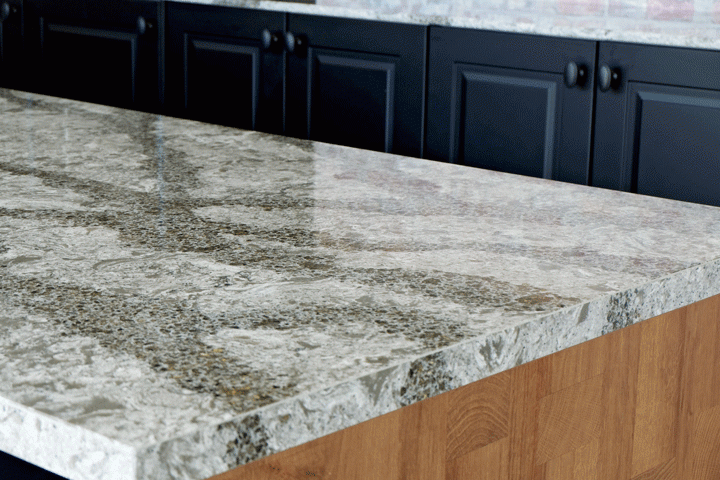
Here’s a close-up showing that incredible shine and reflection on a polished surface.

Key Characteristics of Polished Stone
What sets it apart? First, the reflectivity—polished stone bounces light back, making dark colors look richer and light ones brighter. The surface is non-porous on denser stones like granite, so it resists staining better initially. It’s flat and even, with no texture, which gives a modern, clean aesthetic. But that smoothness? It can feel almost glassy, and yes, it shows fingerprints or water spots more easily indoors, though outdoors it’s more about dust or pollen.
For exteriors specifically, polished finishes are often used on granite, basalt, or absolute black stones that hold their shine against weather. Marble can be polished for facades, but it etches easier from rain.
Check out these examples of polished marble on building exteriors—elegant and timeless.
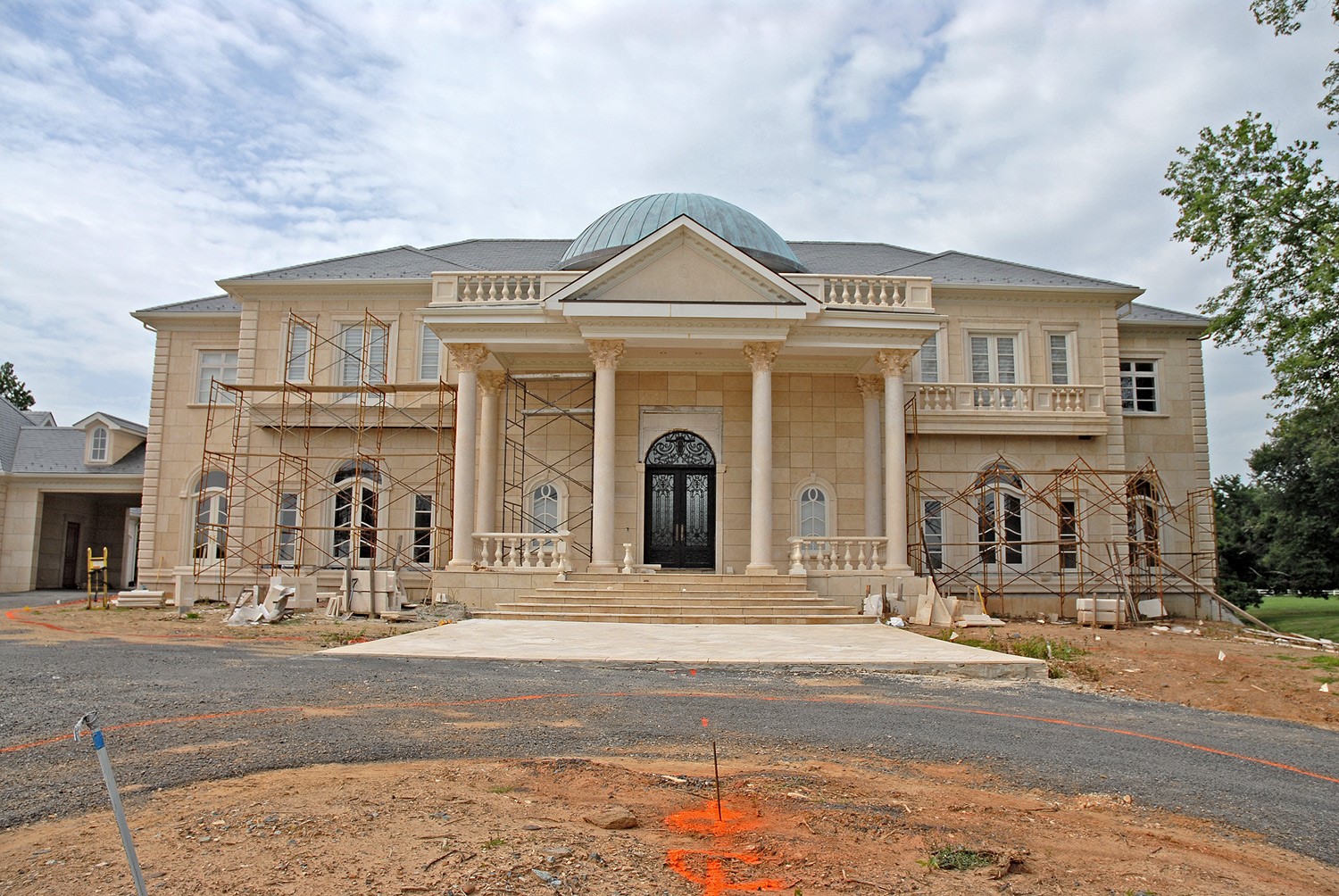

Why Choose Polished for Your Home’s Exterior?
Imagine pulling up to your house and seeing it sparkle under the sun. Polished finishes scream sophistication and luxury—perfect for contemporary or minimalist designs. They make smaller homes appear larger by reflecting surroundings, and in urban settings, they add that upscale vibe, like a boutique hotel. Plus, the enhanced color depth means your stone’s natural beauty is on full display. No muted tones here; it’s bold and vivid.
Here are some real-world home exteriors featuring polished or highly finished stone veneer—see how it elevates the whole look.
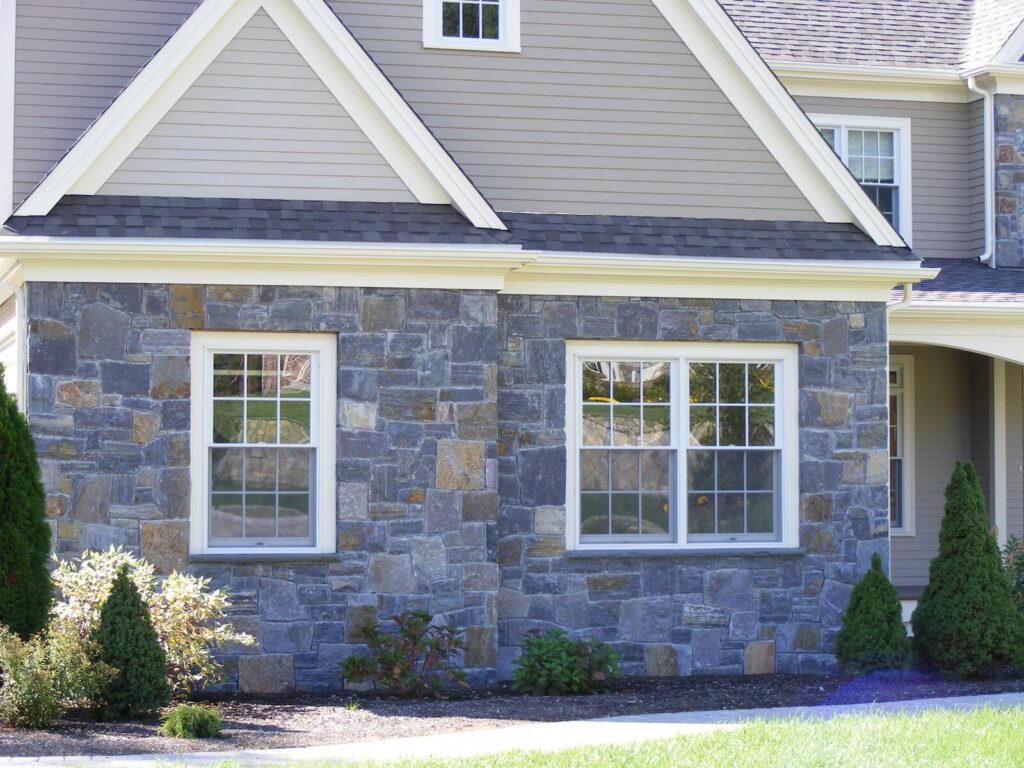
The Flip Side: Things to Watch Out For
It’s not perfect for every spot. Polished stone can be slippery when wet—think ice rink potential on entry steps or patios in rainy climates. Scratches show more prominently because of the gloss, and over years, exposure to UV, pollution, or acid rain can dull the shine, requiring repolishing. Softer stones like marble might etch or stain from bird droppings or tree sap. And cost-wise? The polishing process adds expense, so it’s pricier than rougher finishes.
Best Stones for Polishing Outdoors
Not all stones take to polishing equally. Granite is the champ—dense, hard, and holds gloss forever. Quartzite is another winner, mimicking marble but tougher. Black absolute granite polishes to a deep mirror, ideal for dramatic accents. Limestone and travertine can be polished but are better honed for exteriors to avoid issues.
Maintenance Tips for Polished Exteriors
Keep that shine alive with regular gentle washing—mild soap and water, no harsh chemicals. Sealants help protect the polish, especially in polluted areas. Avoid pressure washing on high; it can strip the surface. Every few years, a pro polish refresh might be needed, but good installation means decades of beauty.
All in all, a polished stone finish is about that wow factor—the one that makes neighbors stop and stare. If your style leans toward sleek, elegant, and high-impact, this could be your perfect match. But weigh the pros against your local weather and lifestyle. Got a modern home craving some glamour? Polished all the way!
Exploring Rough Stone Finishes
Alright, let’s flip the coin and talk about the rugged side of things—rough stone finishes. If polished is all about that sleek, glamorous shine, rough finishes are the complete opposite: raw, textured, and full of personality. They’re like the weathered face of a wise old explorer—scars and all, but incredibly charming and tough as nails.
A rough stone finish keeps or creates an uneven, tactile surface that highlights the stone’s natural quirks. Instead of grinding it smooth, processors use techniques like heat, hammering, blasting, or just splitting it to expose the inner texture. This results in a matte, non-reflective look where colors appear softer and more earthy. Touch it, and you’ll feel bumps, pits, or ridges—it’s inviting you to run your fingers over it. For exteriors, this means homes that blend into landscapes, age gracefully, and provide practical benefits like slip resistance.
How Rough Finishes Are Created
These aren’t accidental; they’re crafted with specific tools and methods. It starts with quarried stone, then techniques alter the surface without removing much material. Heat for flaming, mechanical pounding for bush-hammering, or high-pressure sand for blasting. Some, like split face, come from literally cleaving the stone along its natural layers. The goal? Enhance grip, add visual depth, and let the stone breathe its natural story.
Key Characteristics of Rough Stone
Rough finishes have that organic vibe—visible grains, fossils, or fissures shine through. They’re anti-slip superstars, perfect for wet areas, and they diffuse light instead of reflecting it, giving a subdued, timeless appearance. Colors mute a bit, blending harmoniously with gardens or woods. Imperfections? They’re features here, hiding minor damages over time.
Here’s a close-up of the bumpy, exfoliated texture you get from a flamed finish—see how it pops the granite’s crystals?
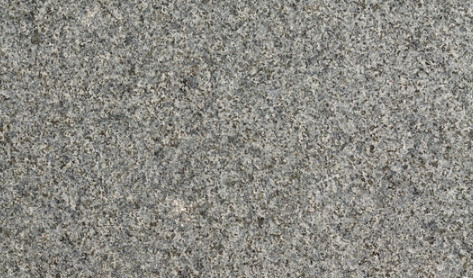

.webp)
Popular Rough Finishes Explained
There’s variety here, each with its own flair.
Flamed Finish
Blast the stone with a torch—the intense heat causes the surface to spall or flake off, leaving a rough, pebbly texture. It’s grippy and slightly lighter in color. Ideal for granite outdoors.
That thermal shock creates this unique, almost lunar landscape feel.

Page 3 | Flamed finish granite stone flooring Images – Free …
Bush-Hammered Finish
A pneumatic tool with multiple pointed hammers repeatedly strikes the surface, creating uniform dimples or craters. It’s consistent roughness, great for modern rustic looks.
Check out the pitted pattern—it’s like moon craters on stone.


Split Face or Rock Face
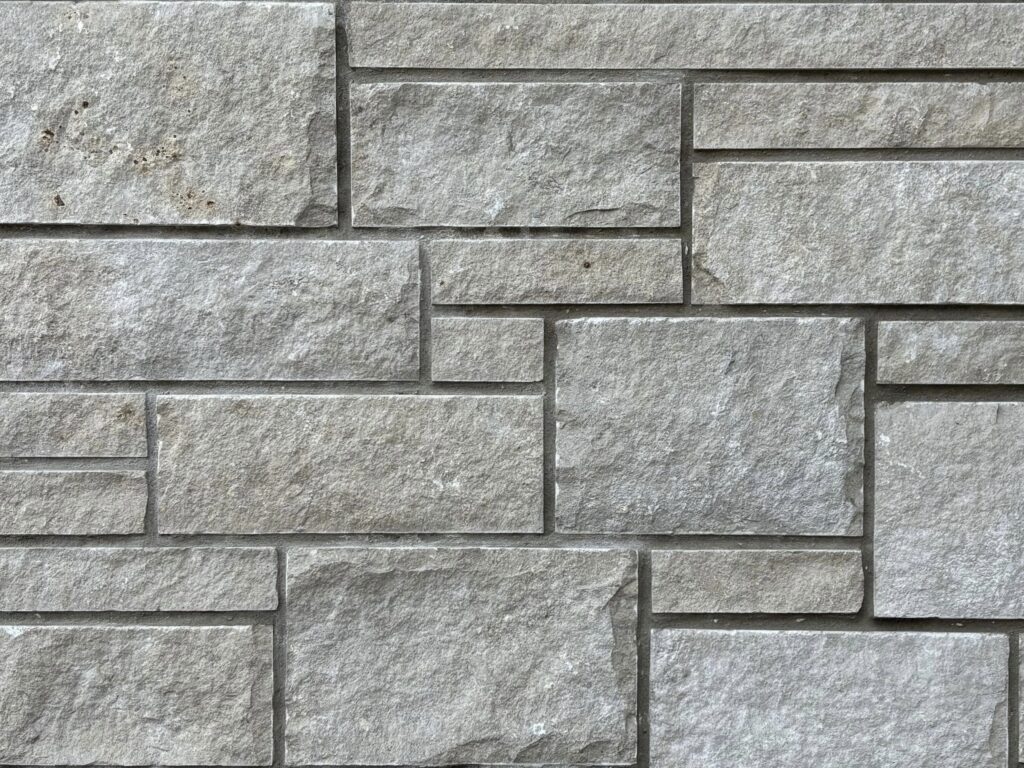
The stone is split mechanically or naturally, exposing a jagged, rocky surface. Dramatic and bold, like a cliff face on your wall.
These examples show that raw, dimensional depth on exteriors.

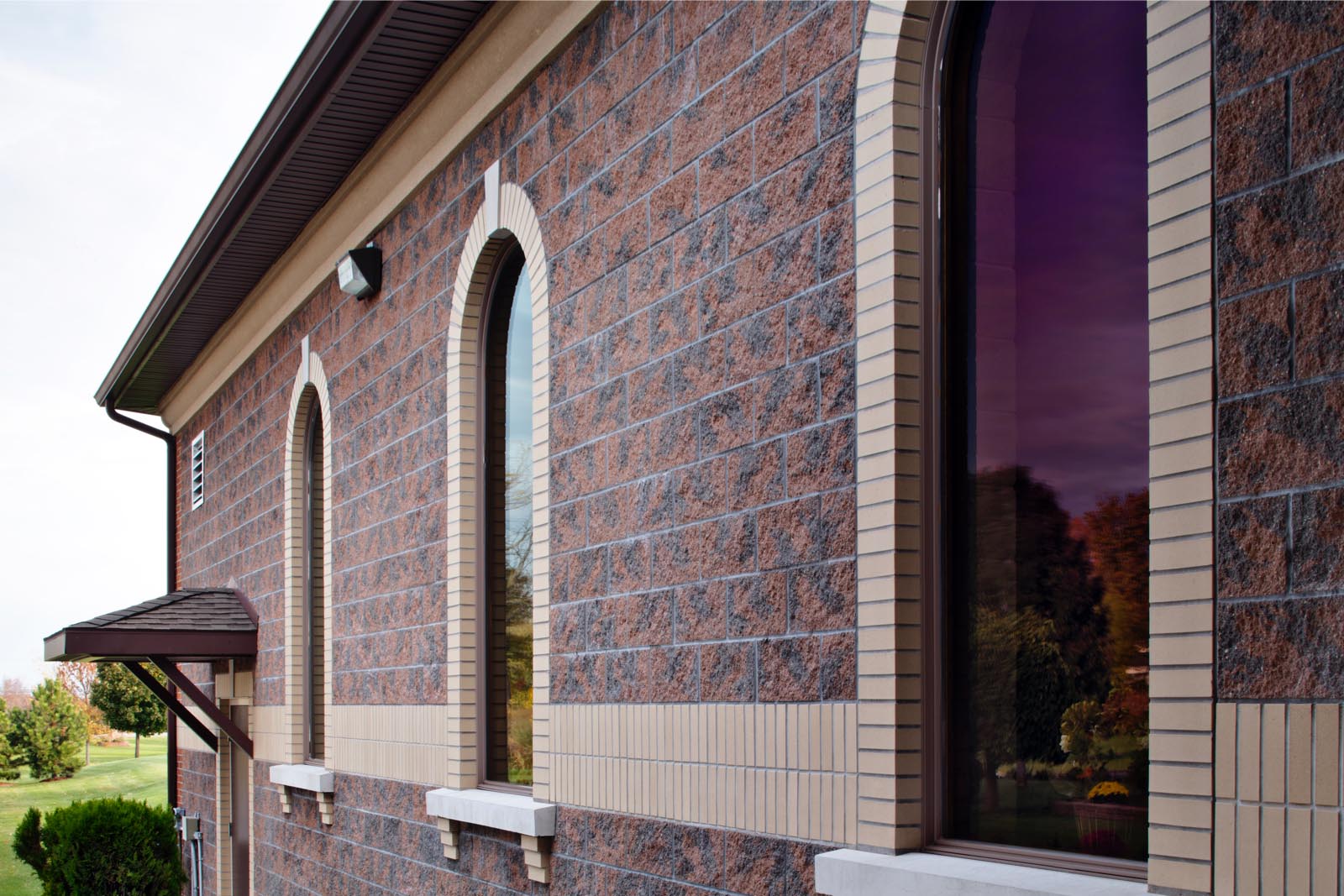
Sandblasted Finish
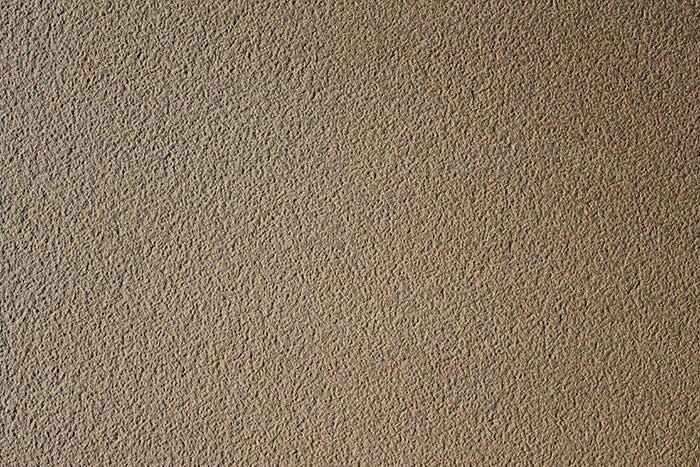
High-velocity sand or grit blasts the surface for a fine, even etch. Softer than others, with a velvety roughness.
Subtle yet effective texture here.

Other Textured Options
Tumbled for worn edges, chipped for antique vibes, or natural cleft for slate’s layered split.
Why Choose Rough for Your Home’s Exterior?
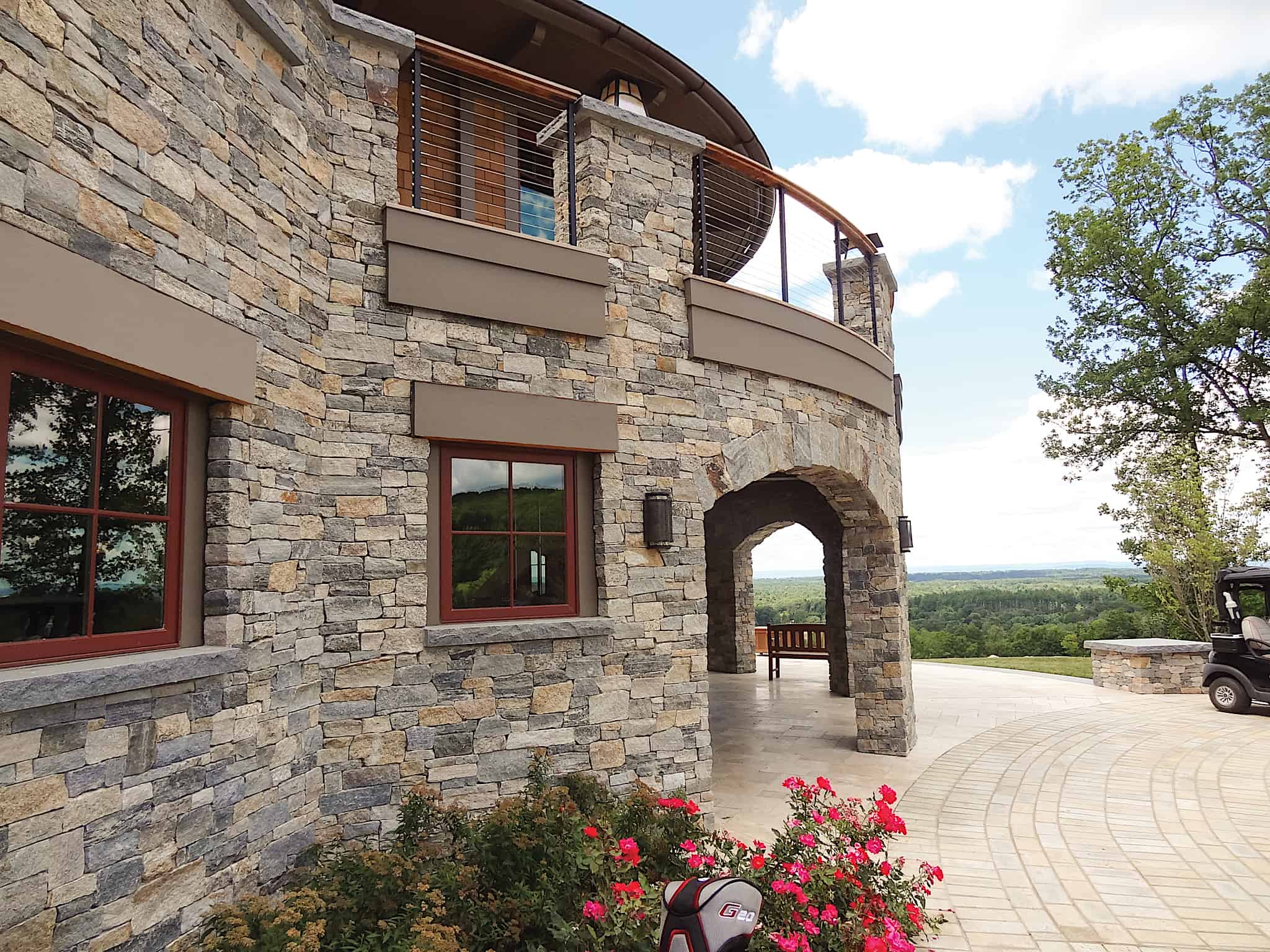
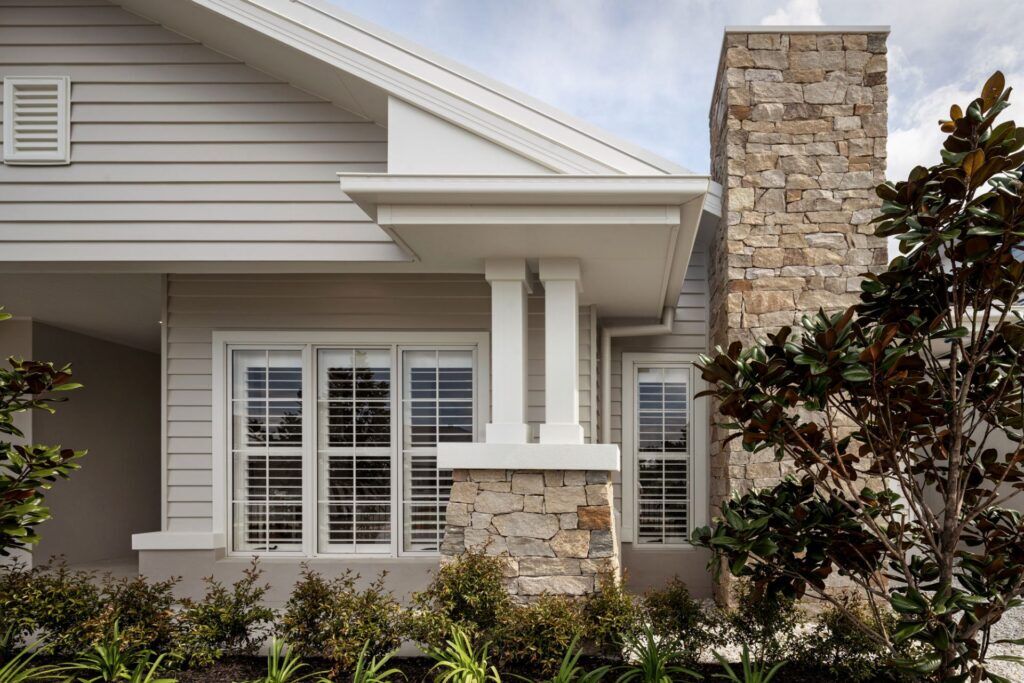
Rough finishes bring soul to a house. They scream authenticity—perfect for rustic cabins, farmhouse revivals, or Mediterranean villas. In nature-heavy settings, they camouflage seamlessly, like your home grew from the ground. Practically? Superior traction on paths or steps, better heat absorption control in sunny spots, and they mask dirt, scratches, or weathering way better. Over time, they develop a patina that polished can’t match—think beautiful aging, not fading.
Look at these rustic home facades with rough stone; they just feel inviting and enduring.

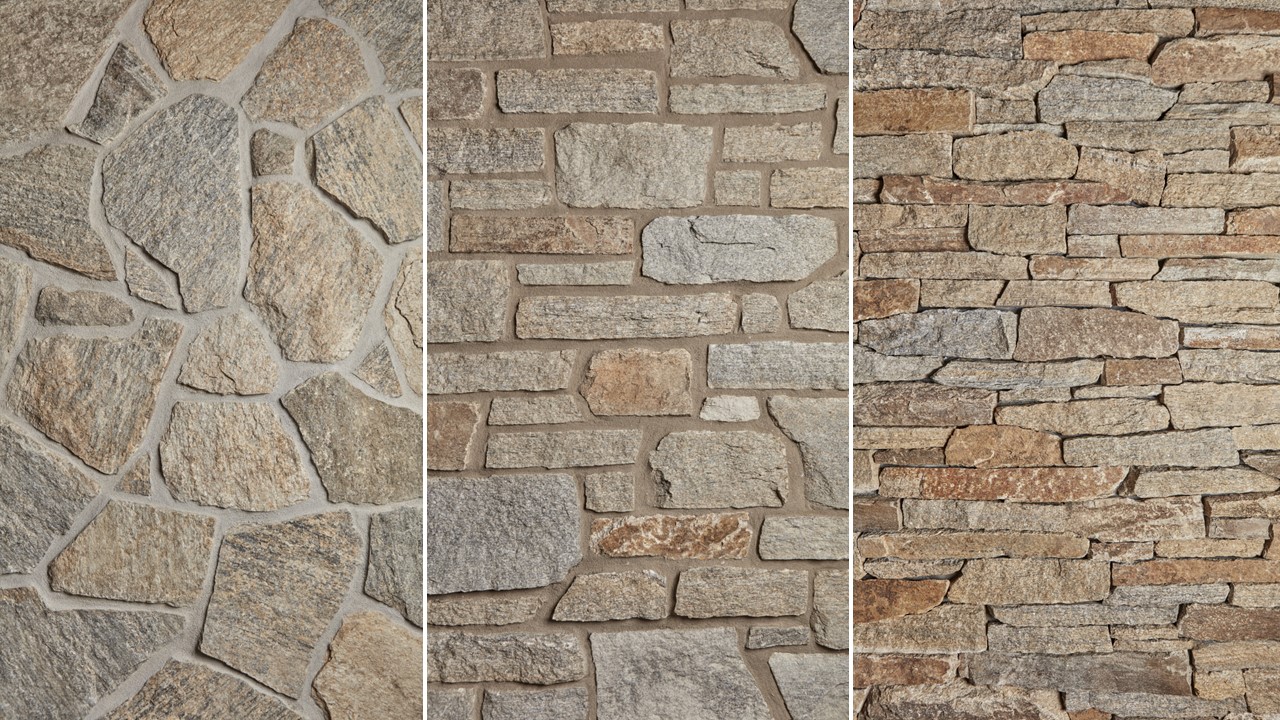
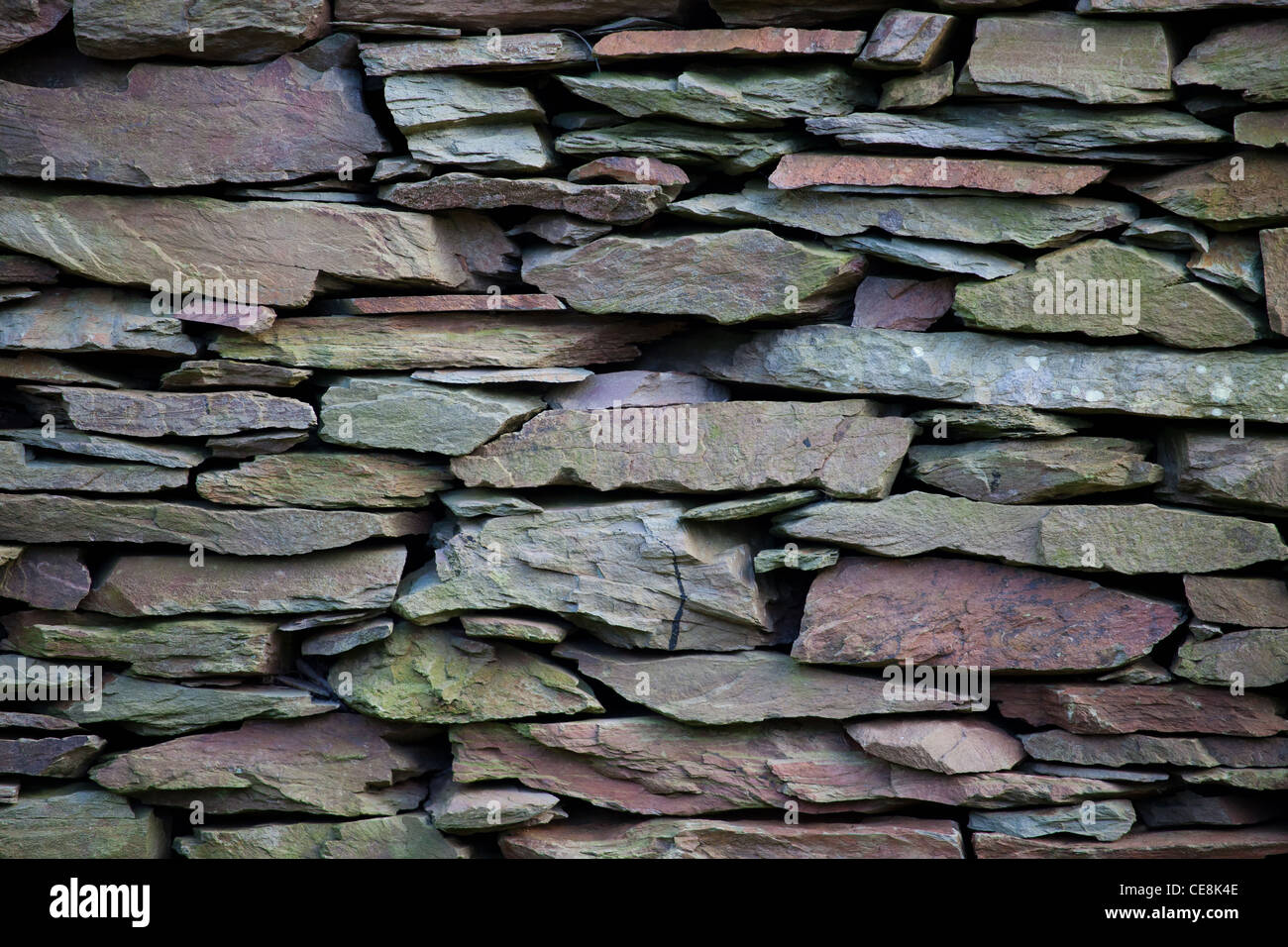
The Downsides: What to Consider
Not flawless, though. Those textures trap dust, leaves, or even moss in damp climates—cleaning involves more scrubbing or pressure washing. Installation can be fussier with irregular pieces. And in super modern designs, it might feel too “wild” unless balanced with sleek elements.
Best Stones for Rough Finishes Outdoors
Granite flames beautifully, sandstone splits naturally, slate clefts perfectly. Limestone bush-hammers well, and quartzite takes most textures toughly.
Maintenance Tips for Rough Exteriors
Brush off debris regularly, power wash gently yearly. Seal if in polluted or wet areas to prevent algae. Embrace the patina—it only gets better!
Rough stone finishes are for those who love character over perfection. If your style is grounded, natural, and resilient, this is where the heart is. It turns your exterior into a story, not just a surface. Digging that earthy appeal? Rough might just be your winner!
Polished vs. Rough: A Head-to-Head Comparison
Okay, we’ve talked about polished and rough finishes separately, but now it’s time for the main event—the direct showdown! Think of this as a friendly boxing match between two heavyweight contenders in the world of exterior stone. Both are fantastic in their own ways, but one might knock out the other depending on your home’s style, location, and needs. There’s no outright winner here; it’s all about what fits you best. We’ll break it down category by category, with real talk on aesthetics, practicality, and everything in between. Ready? Let’s ring the bell!
Aesthetic Showdown: Visual Appeal and Style Vibes
First up: How do they look? This is huge for exteriors because curb appeal is everything.
Polished finishes are the flashy ones—they reflect light like a mirror, making colors intense and vibrant. Your stone’s natural patterns pop dramatically, giving a luxurious, high-end feel. Perfect for modern homes where you want that clean, sophisticated gleam. Imagine sunlight bouncing off a polished granite wall; it’s eye-catching and makes the whole facade feel premium.
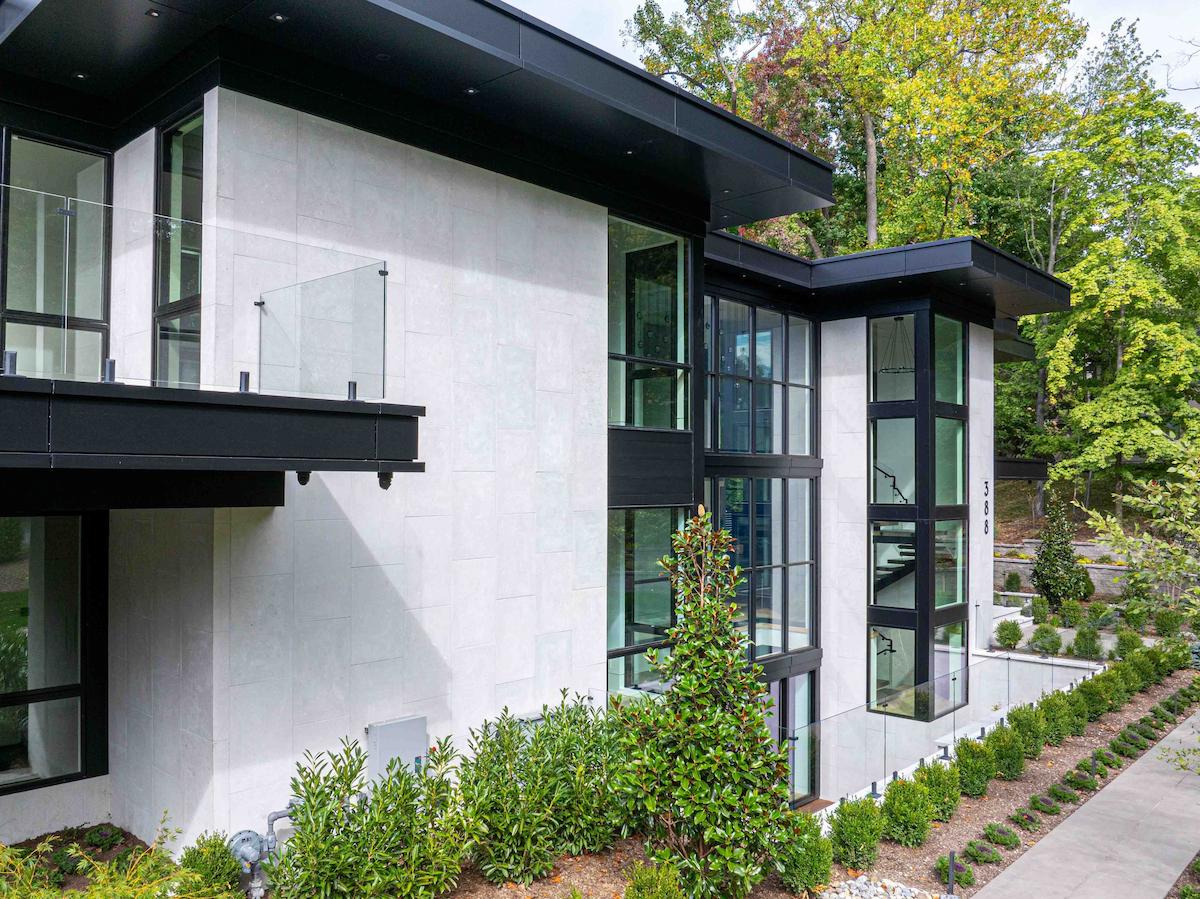
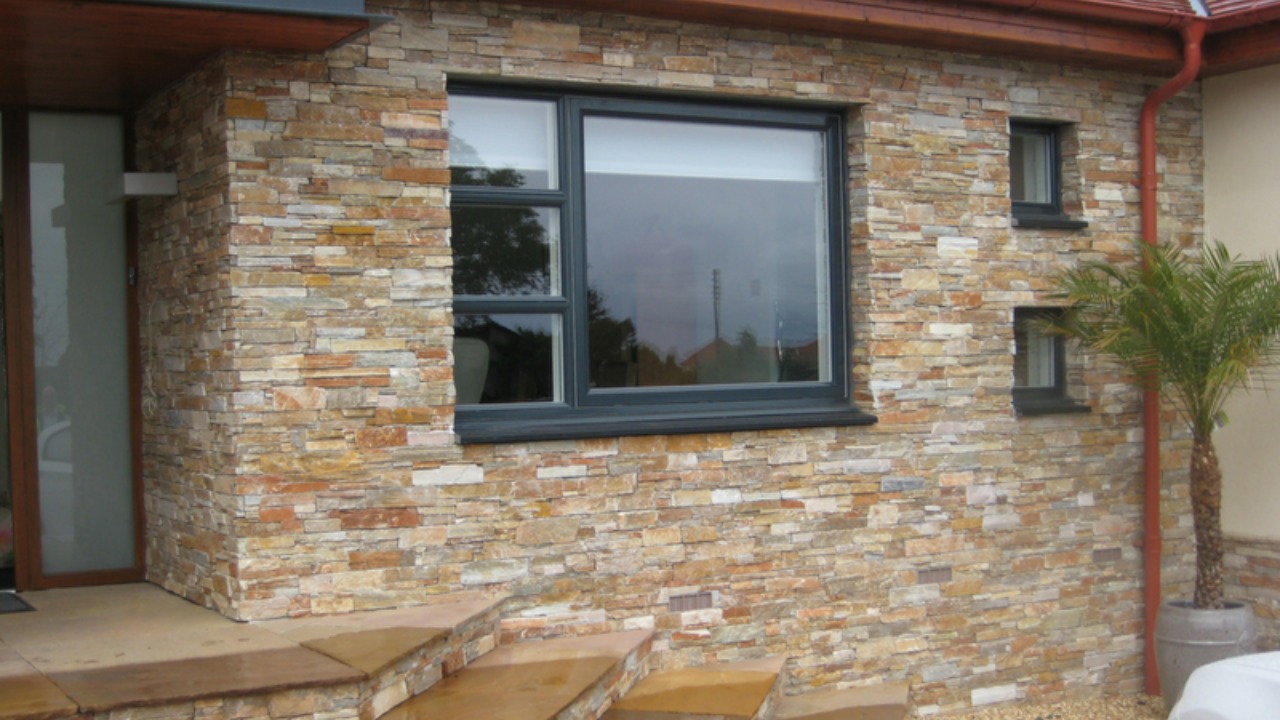


Rough finishes, on the flip side, are all about texture and subtlety. They diffuse light, muting colors for a softer, more natural look that blends with landscapes. Those bumps and ridges add depth and shadow play, creating that rustic, timeless charm—like your house has been there forever, telling a story.

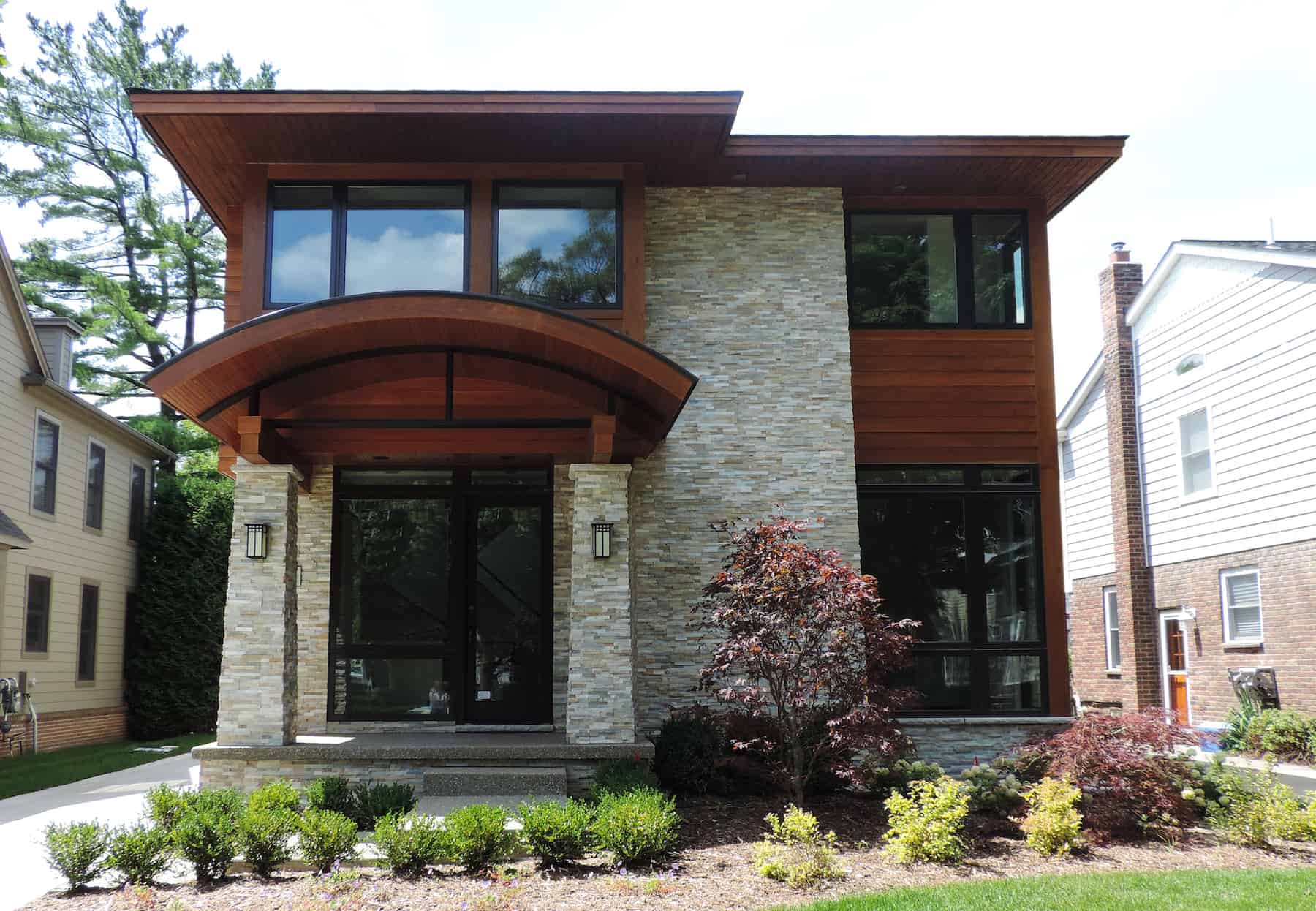
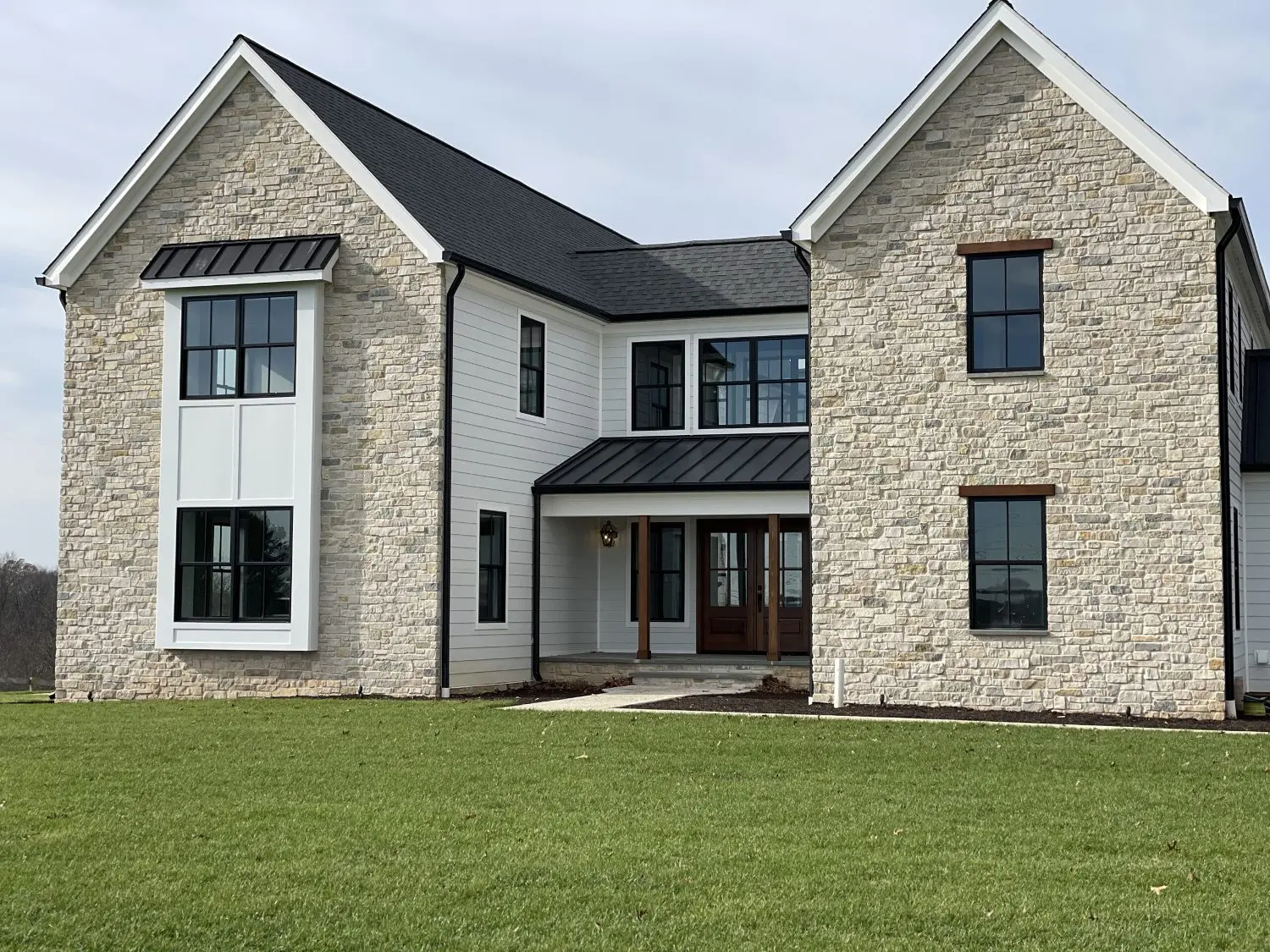
Side-by-side? Polished screams “look at me,” while rough whispers “come closer.” Many folks even mix them for the best of both worlds.

Safety and Functionality: Slip Resistance and Practical Use
Safety isn’t glamorous, but it’s crucial—especially outdoors with rain, snow, or kids running around.
Polished can turn treacherous when wet. That smooth surface acts like glass, reducing traction big time. Not ideal for steps, patios, or driveways in wet climates.
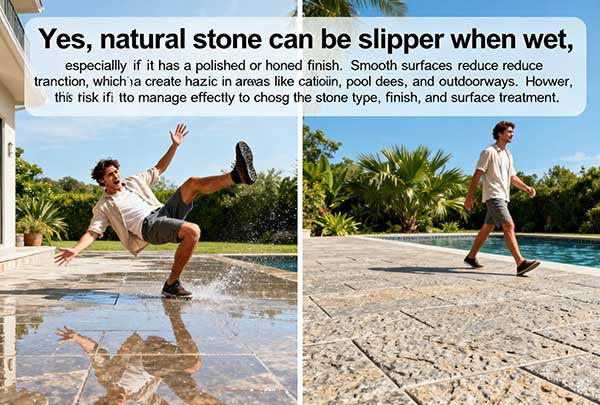

Rough finishes win hands down here. All that texture grips shoes like velcro, making them safer for high-traffic or sloped areas. If you live where it rains a lot or have an active family, this could be a game-changer.
Maintenance Battle: Cleaning and Upkeep Over Time
Who wants to spend weekends scrubbing their house? Maintenance varies a ton.
Polished is generally easier day-to-day—a quick rinse, and it’s shiny again. Dirt doesn’t cling as much, but scratches or dulling show prominently, and you might need professional repolishing every decade.
Rough hides flaws like a champ; scratches blend in, and it ages with a cool patina. But those crevices trap dirt, leaves, pollen, or even moss/algae in shady, humid spots. Cleaning might involve brushing or power washing more often.
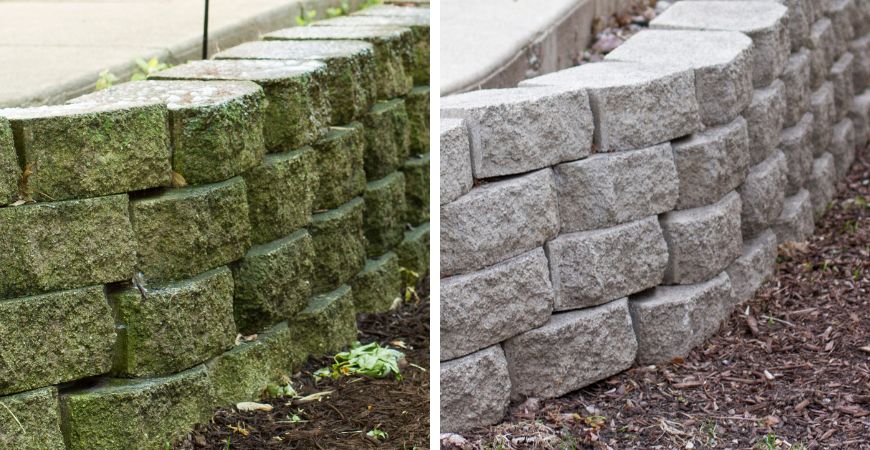
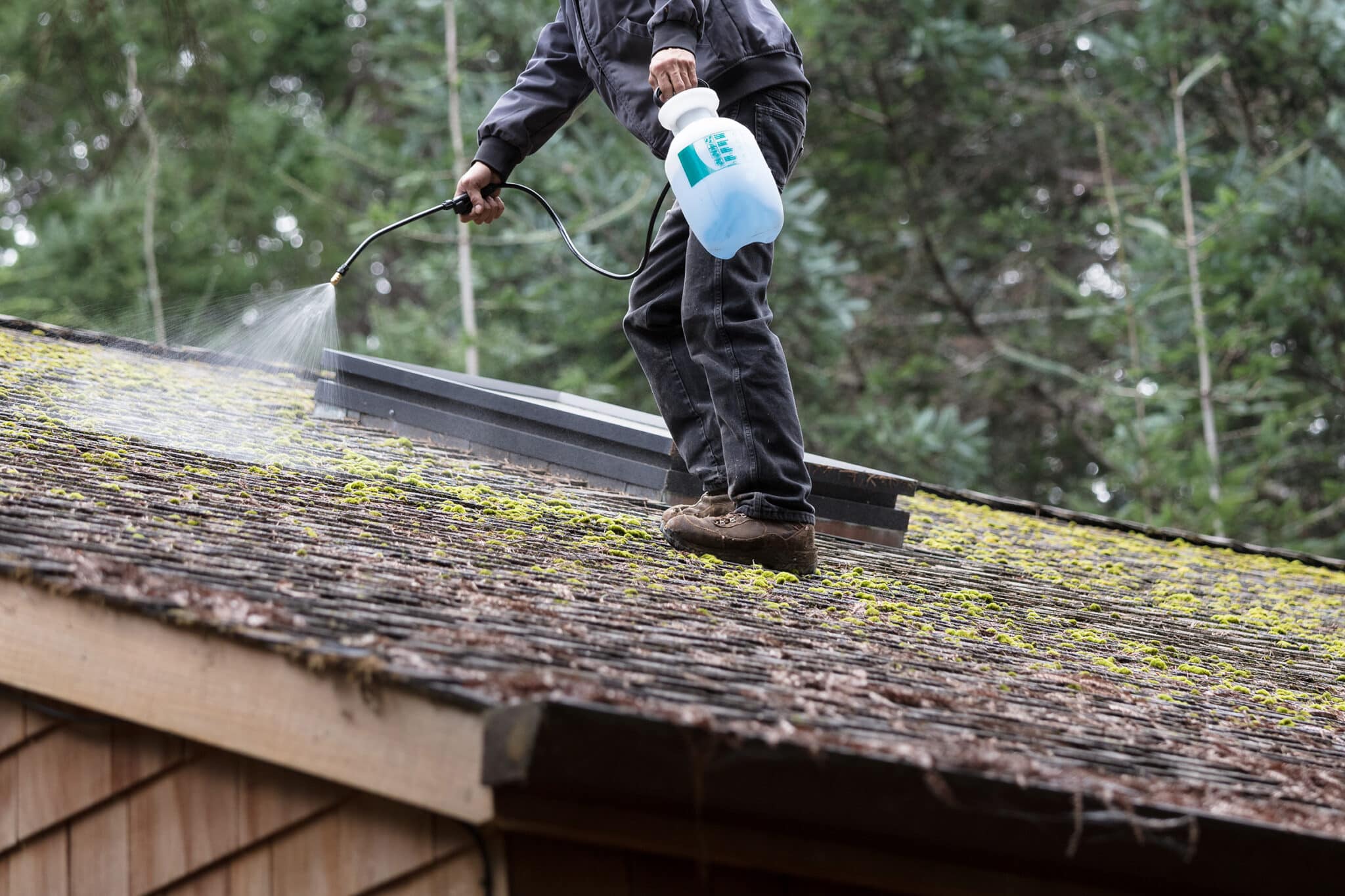
Sealing helps both, but rough might need it more in wet areas to prevent growth.
Durability and Weather Resistance: Holding Up Against the Elements
Both are stone—tough by nature—but finishes affect longevity.
Polished seals pores better initially, resisting stains from pollution or acid rain. However, the shine can fade from UV exposure, and softer stones etch easily. In freeze-thaw cycles, water might penetrate if sealing fails, leading to cracks.
Rough is a durability beast. Texture allows better expansion/contraction, and it camouflages wear. It handles harsh weather gracefully, developing character instead of looking worn out. Great for coastal or extreme climates.
Cost Comparison: Upfront and Long-Term Expenses
Budget talk—always important.
Polished usually costs more upfront. That intensive grinding and polishing adds labor and waste. Expect 20-50% higher than rough for the same stone.
Rough is often cheaper to produce, especially natural cleft or split faces. Local stones in rough form save on processing and transport.
Long-term? Polished might edge out if low maintenance saves time/money, but rough’s forgiveness could mean fewer repairs.
Environmental and Sustainability Angle
Going green? Rough typically wins—less energy-intensive processing means a smaller carbon footprint. Polished requires more grinding, water, and electricity.
Both can be sustainable if sourced responsibly, but rough feels more “as nature intended.”
The Verdict: Which One Should You Pick?
It boils down to your priorities. Craving luxury and easy clean in a dry, modern setting? Polished all the way. Want safety, natural blend, and low-fuss aging in a rustic or wet area? Rough is your champ.
Many homeowners split the difference—polished accents on entries, rough on main walls. Test samples on your actual facade; lighting changes everything!
There you have it—a thorough head-to-head. No matter which side you land on, stone exteriors are a win for beauty and value. What’s your gut saying—shiny or textured?
Matching Finishes to Your Home’s Architectural Style
Your house has a distinct personality, just like you—ignoring that when choosing stone finishes is like wearing sneakers with a tuxedo. It might work for some rebels, but usually, it just feels off. Matching the finish to your architecture elevates everything, creating harmony that boosts curb appeal and even property value. Polished brings sleek sophistication, while rough adds organic warmth. Let’s explore how these play out in popular styles, with tips to nail the look.
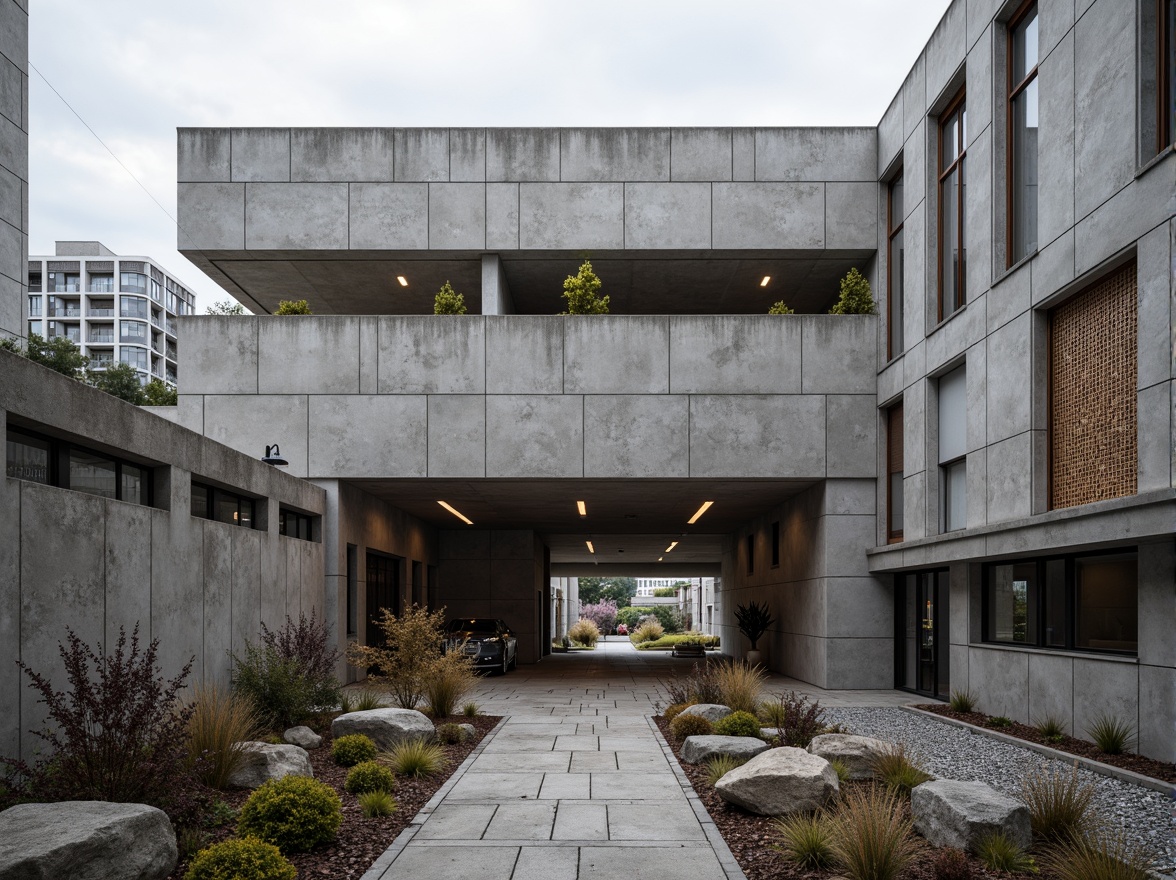
Modern and Contemporary Homes
If your home boasts clean lines, big windows, and minimalist vibes, polished stone is your best friend. That high-gloss sheen reflects light beautifully, making spaces feel expansive and airy—like the house is floating in luxury. It amplifies the modern aesthetic by highlighting sharp edges and flat surfaces, often paired with glass, steel, or concrete for that ultra-contemporary punch.
Think black or grey polished granite panels on a facade; the mirror-like surface catches the sky and surroundings, adding depth without clutter.


Rough finishes can work as accents here, but full rough might overwhelm the simplicity. Stick to polished for the main event.
Rustic and Farmhouse Exteriors
Nothing beats rough stone for that cozy, lived-in farmhouse or rustic charm. The textured surfaces mimic nature’s handiwork, adding warmth and inviting texture that screams “come sit on the porch.” Exposed beams, wooden doors, and rough fieldstone or sandstone walls create pure coziness—like a hug from your home.
Fieldstone’s irregular shapes or sandstone’s warm tones blend seamlessly with landscapes, hiding minor wear and developing a beautiful patina over time.

Polished would feel too flashy here—save it for indoor counters.
Mediterranean or Tuscan Influences
Rough stone is the heartbeat of Mediterranean and Tuscan styles, evoking sun-baked Italian villas with earthy, tumbled textures. Stucco walls paired with rough limestone or travertine create that old-world romance, with shadows playing in the crevices for depth.
A clever twist? Mix in polished accents on columns or entryways for subtle elegance without losing authenticity.

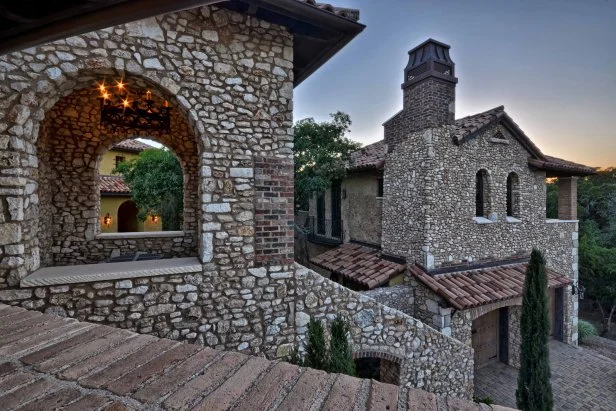
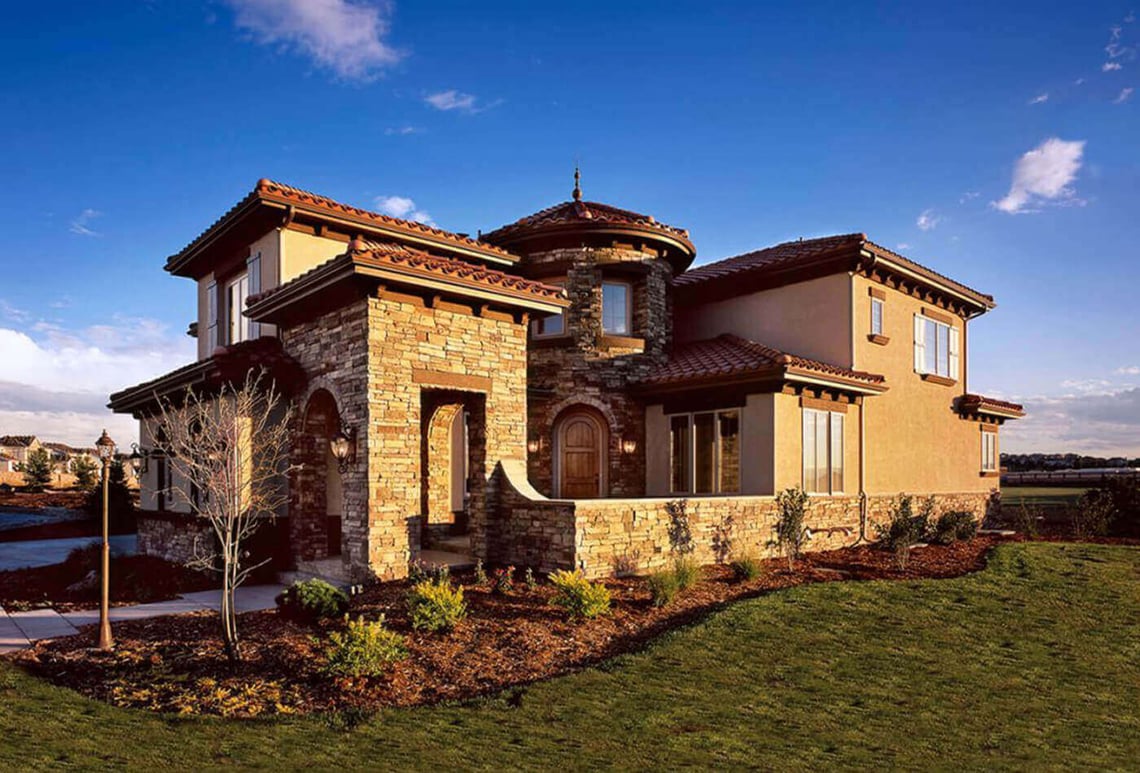
Full polished might make it look too modern—balance is key.
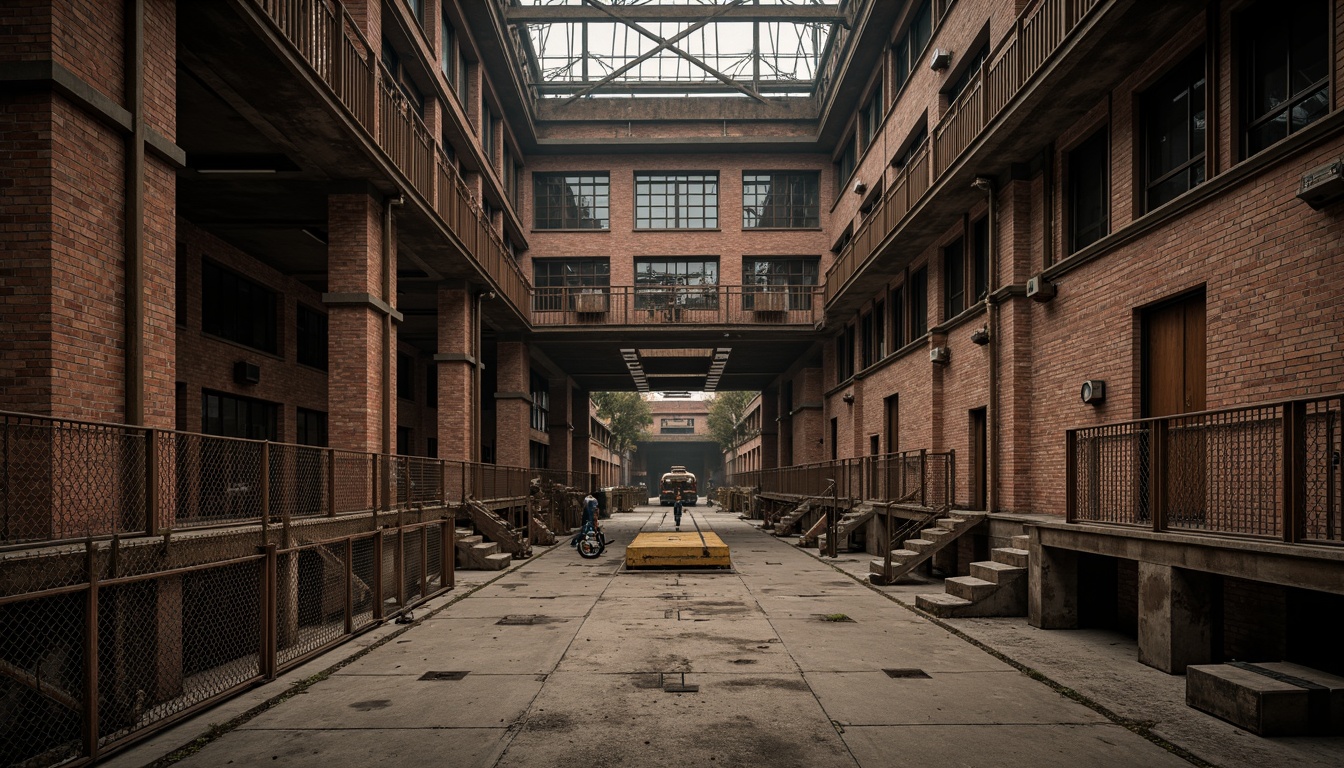
Industrial and Urban Settings
In lofts or city homes with exposed brick and concrete, rough textures add gritty authenticity, softening the raw edge while maintaining toughness. Bush-hammered or split-face stone complements metal accents, creating that warehouse-turned-chic vibe.
Polished can provide striking contrast—think shiny entry panels against rough walls for a sophisticated pop.

Climate Considerations: Weathering the Elements
Mother Nature throws curveballs—sun, snow, rain—and your stone finish needs to handle them. Location isn’t just about views; it dictates longevity and performance. Polished reflects, rough grips and absorbs differently. Let’s break it down by climate to avoid costly regrets.
Hot and Sunny Climates
In desert or tropical spots, rough stone absorbs less heat, keeping walls cooler and reducing energy bills. Textures diffuse intense sunlight, preventing blinding glare.
Polished reflects rays (great for light), but can create hot spots and intense shine—think sunglasses required!

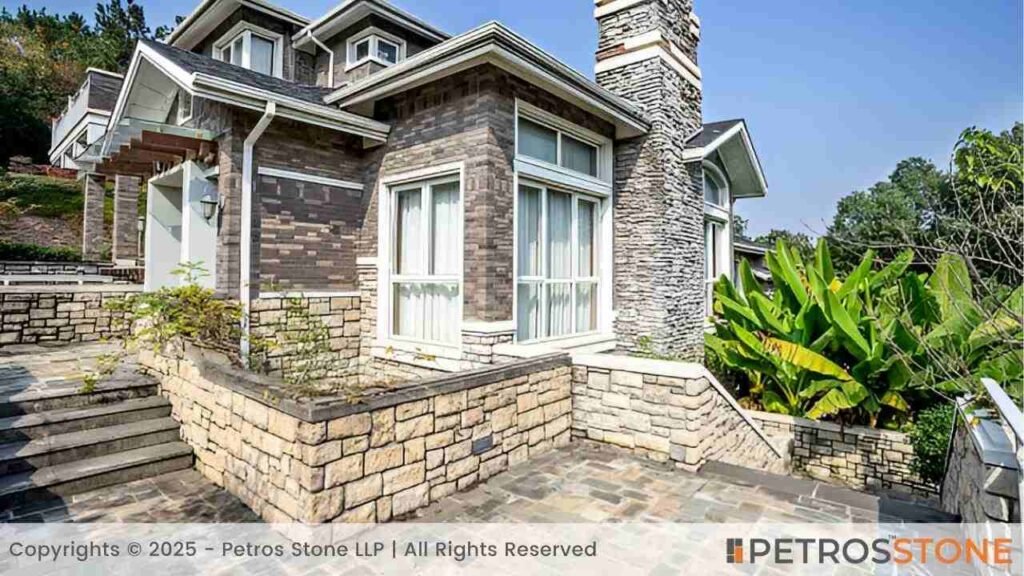
Light-colored rough wins here for comfort.
Cold and Snowy Regions
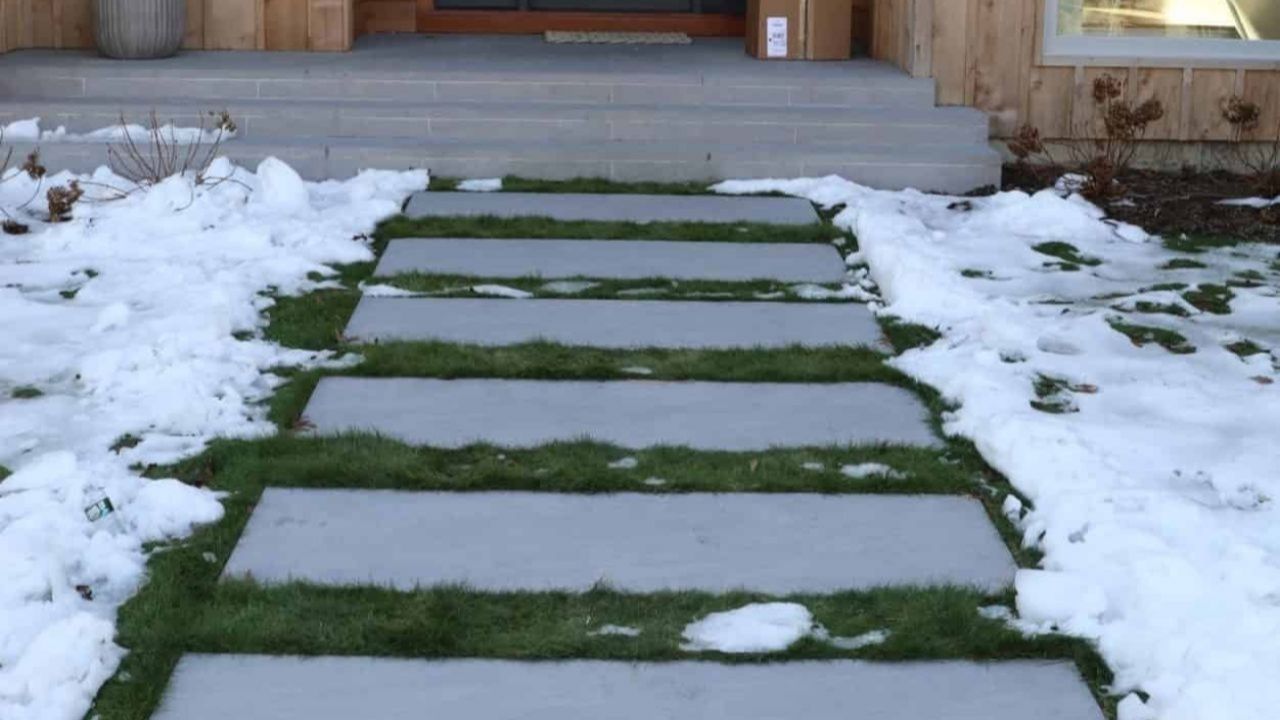
Traction is life-saving—rough finishes grip boots on icy paths, reducing slips. They also handle freeze-thaw cycles better, as textures allow expansion without cracking.
Polished turns into a hazard when wet or frozen—avoid on walkways!

Rainy and Humid Areas
Rough drains water quickly through textures, but pores can harbor mold or algae—regular cleaning needed. Polished seals better against moisture penetration, resisting stains, but acid rain might etch the shine over time.
Sealing is crucial either way in humidity.
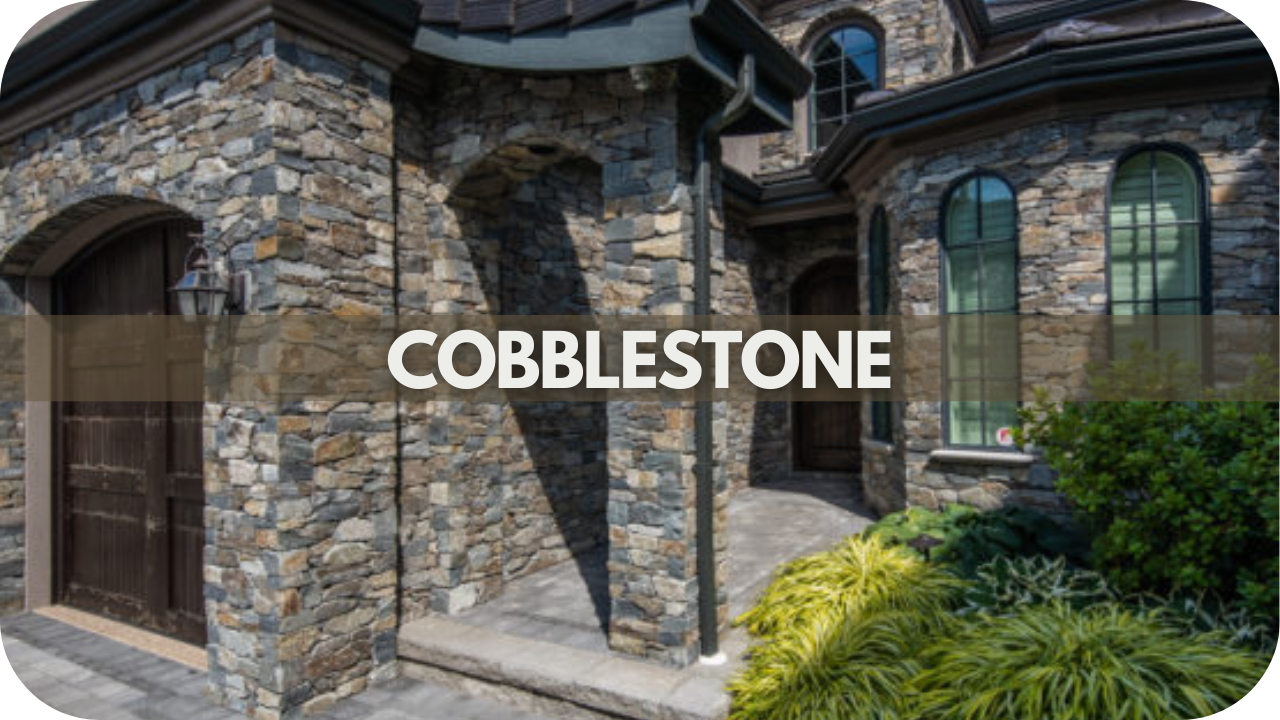
Personal Preferences and Lifestyle Fit
Ultimately, it’s your home—choose what makes you happy daily. Lifestyle trumps trends; consider kids, pets, entertaining, or low-maintenance dreams.
Family-Friendly Choices
With kids and pets zooming around, rough stone forgives scuffs, hides dirt, and provides non-slip safety on patios or entries. Polished looks stunning new but shows every muddy paw print or scratch—like a white couch in a busy house.
Eco-Conscious Decisions
Rough finishes often require less energy-intensive processing, lowering the environmental impact from quarrying to finish. Polished involves more grinding and resources—factor in your green goals.
Budget and Timeline Realities
On a tight budget or timeline? Rough installs faster and cheaper, especially local varieties. Polished adds premium cost but can increase home value significantly for resale.
Popular Stones for Polished Finishes
Not every stone polishes equally—density and composition matter. Here are reliable stars for exteriors.
Granite: The Tough Guy
Granite takes polishing like a champ, achieving deep mirror shines that resist scratches, heat, and fading. Ideal for high-traffic or exposed areas.

Marble: Elegant but Picky
Marble’s stunning veining glows when polished, perfect for accents like columns. Softer nature means more care outdoors—etching risk.


Limestone: Subtle Sophistication
Polished limestone offers a soft, creamy sheen—elegant without overpowering. Great for classic facades, but seal well.
Top Stones for Rough Finishes
Rough lovers rejoice—these thrive with texture.
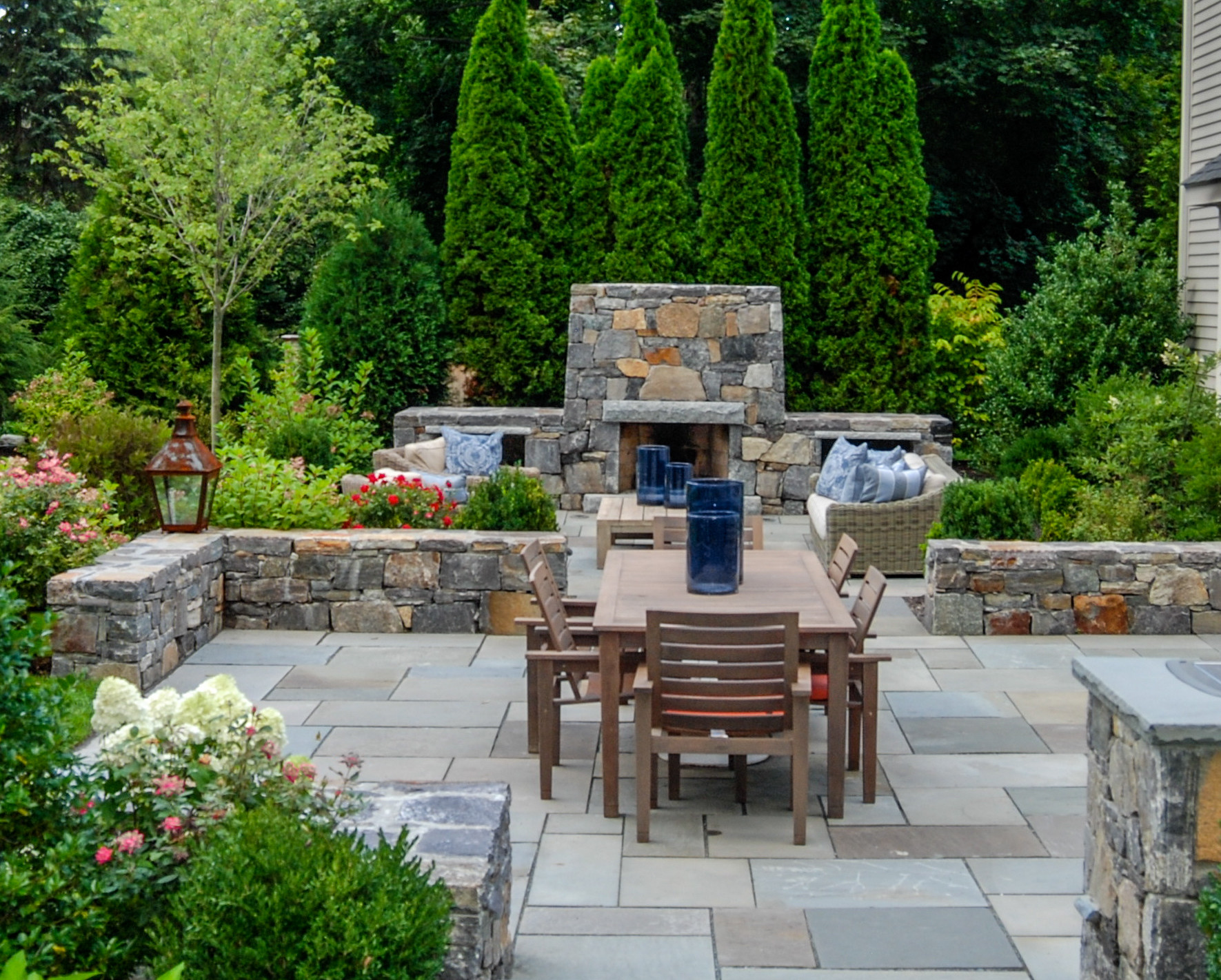
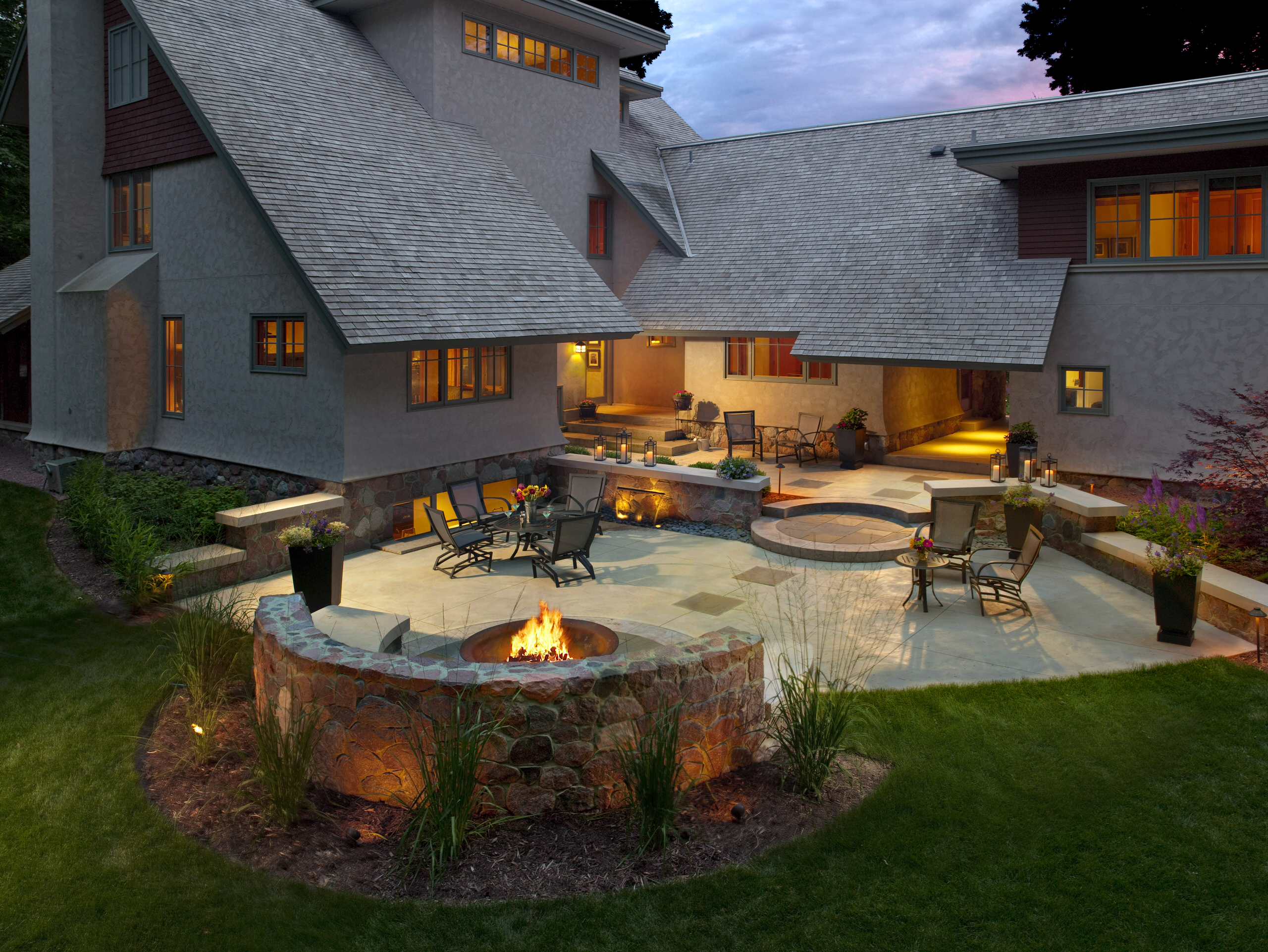
Sandstone: Warm and Welcoming
Naturally rough with sandy grains, sandstone brings earthy warmth to patios and walls. Weathers beautifully.
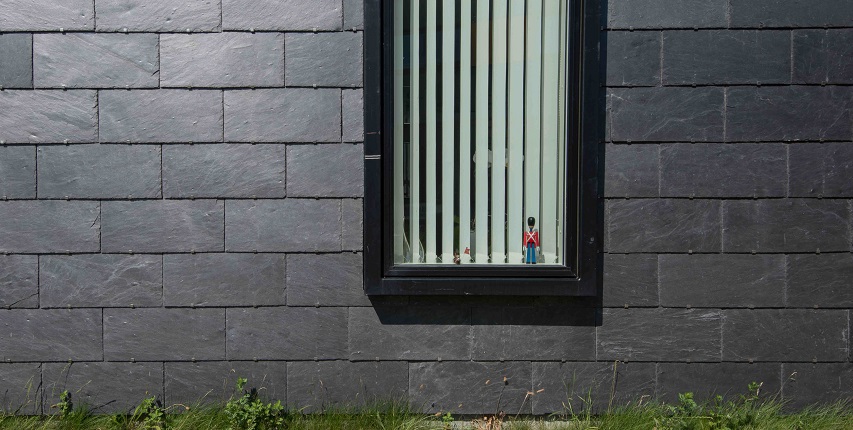
Slate: Versatile and Strong
Slate’s natural cleft creates dramatic, layered roughness—super weather-resistant for walls or roofs.
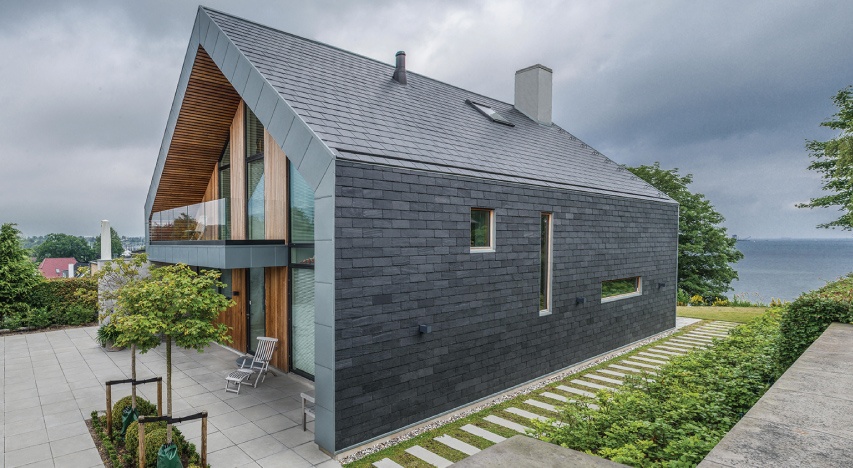
Fieldstone: Authentic and Local
Irregular, raw fieldstone delivers ultimate natural edge—sourced nearby for eco-bonus and unique character.
Installation Tips for Stone Finishes
Committing to stone? Do it right to avoid headaches. Proper prep and technique ensure longevity.
Preparing Your Surface
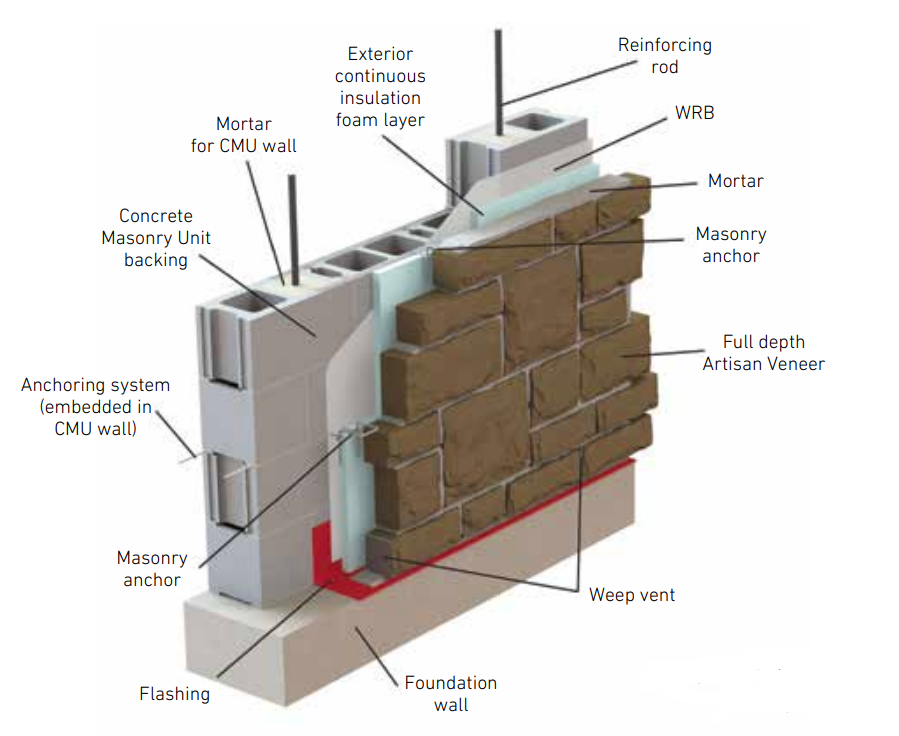
Start with a clean, level substrate—remove old siding, repair cracks. For polished, ultra-smooth backing prevents distorted reflections.
Tools and Techniques
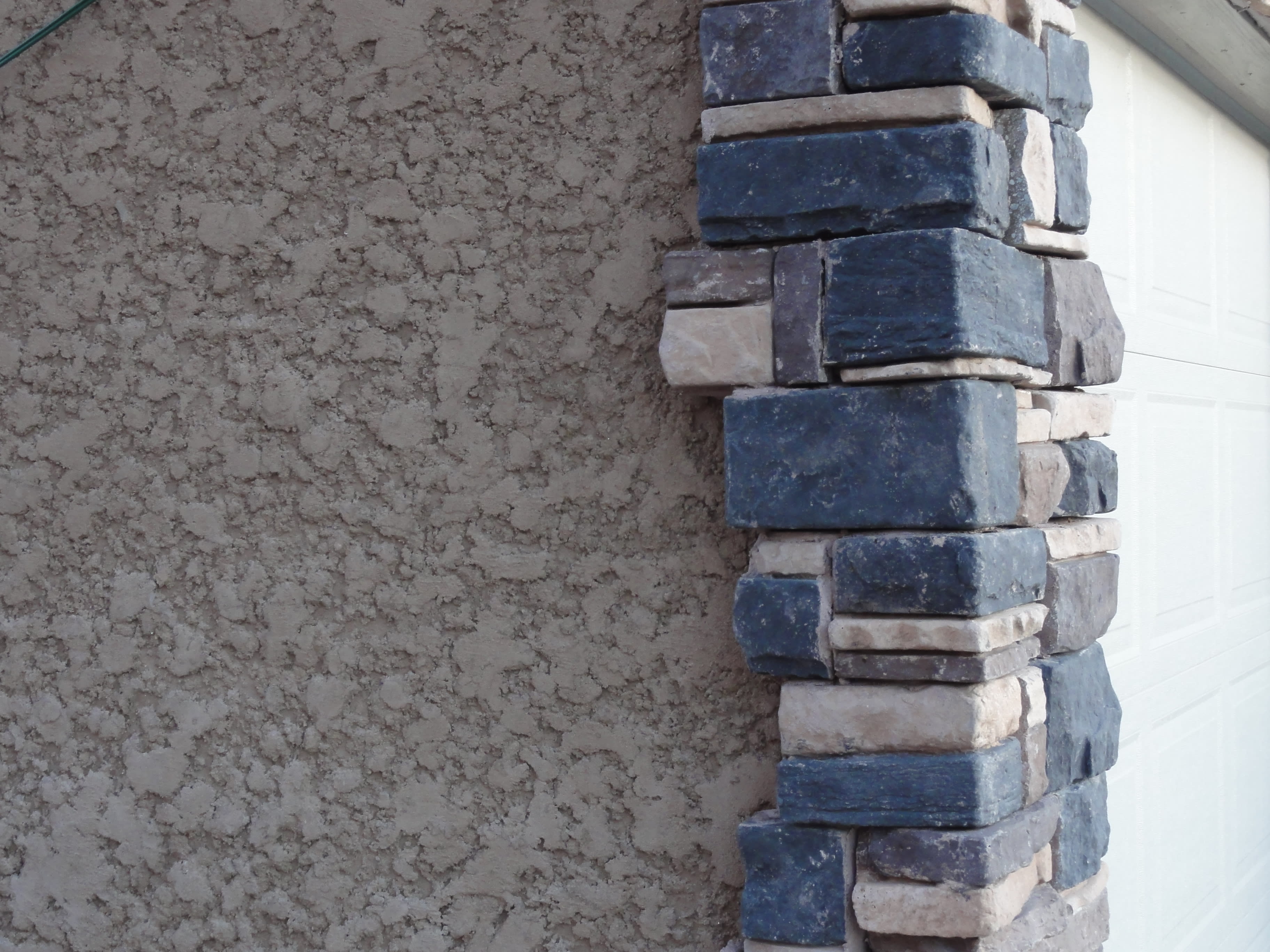
Polished may need on-site touching with diamond pads. Rough uses mortars for irregular fits; veneers simplify both.
Sealing and Protection
Seal polished immediately against stains. Rough benefits in wet areas to repel water and growth.
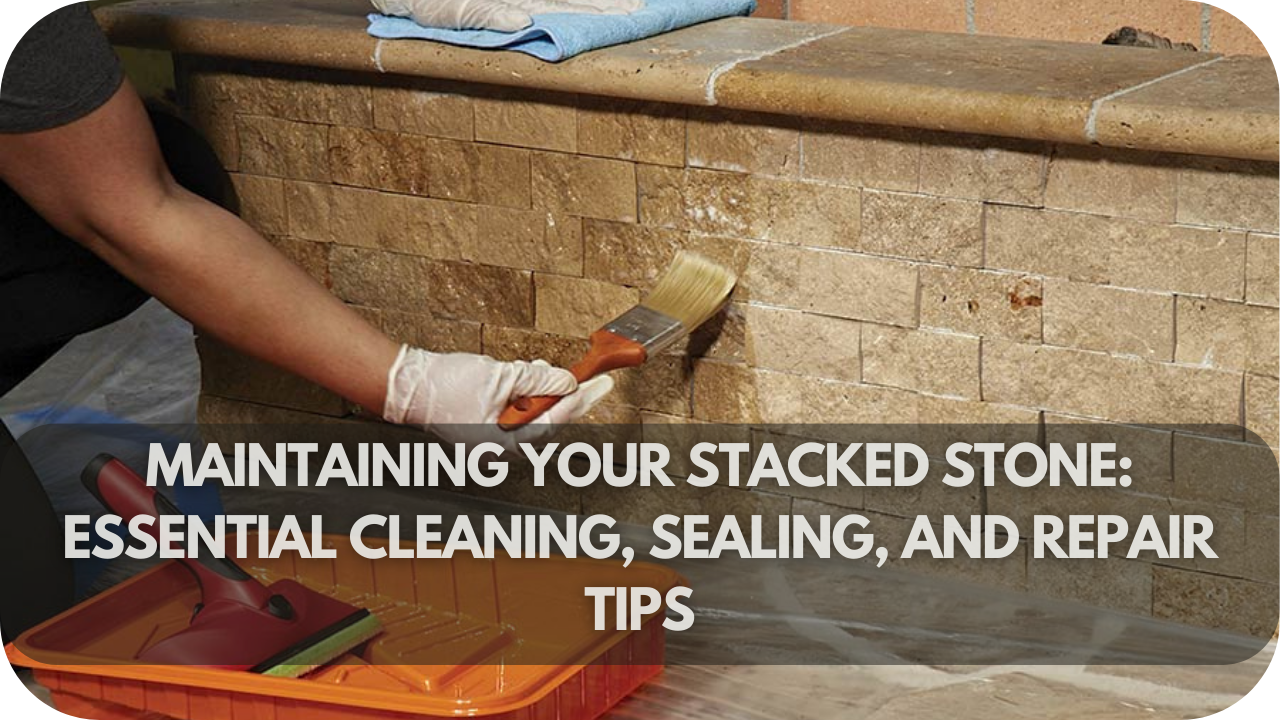
Maintenance Guide: Keeping It Fresh
Stone lasts generations with care—don’t neglect it.
Daily Care Routines
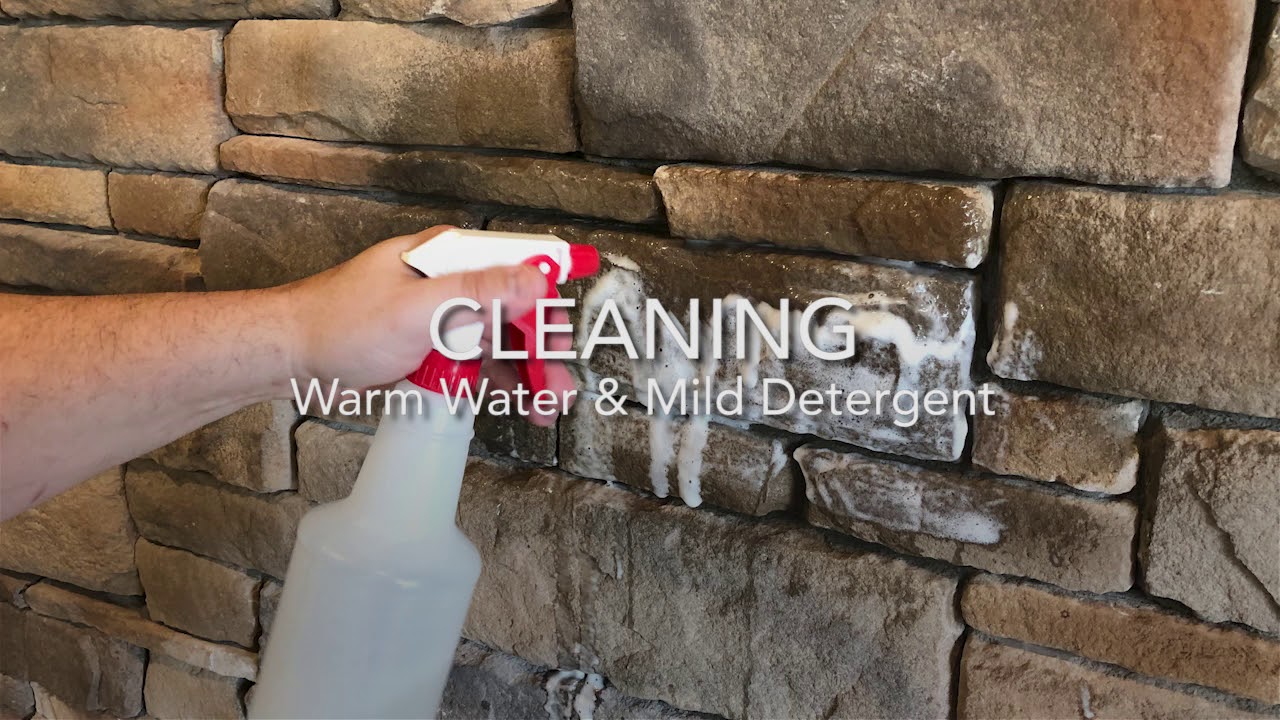
Hose polished weekly to maintain shine. Brush rough to clear debris from textures.
Seasonal Deep Cleans
Annual power wash (gentle on polished). Use pH-neutral cleaners—acids ruin marble.
Common Mistakes to Avoid
Skipping sealant, harsh chemicals, or ignoring moss growth. Test cleaners first!
Trends in Exterior Stone Finishes
What’s buzzing in 2026? Blends and sustainability.
Mixing Polished and Rough
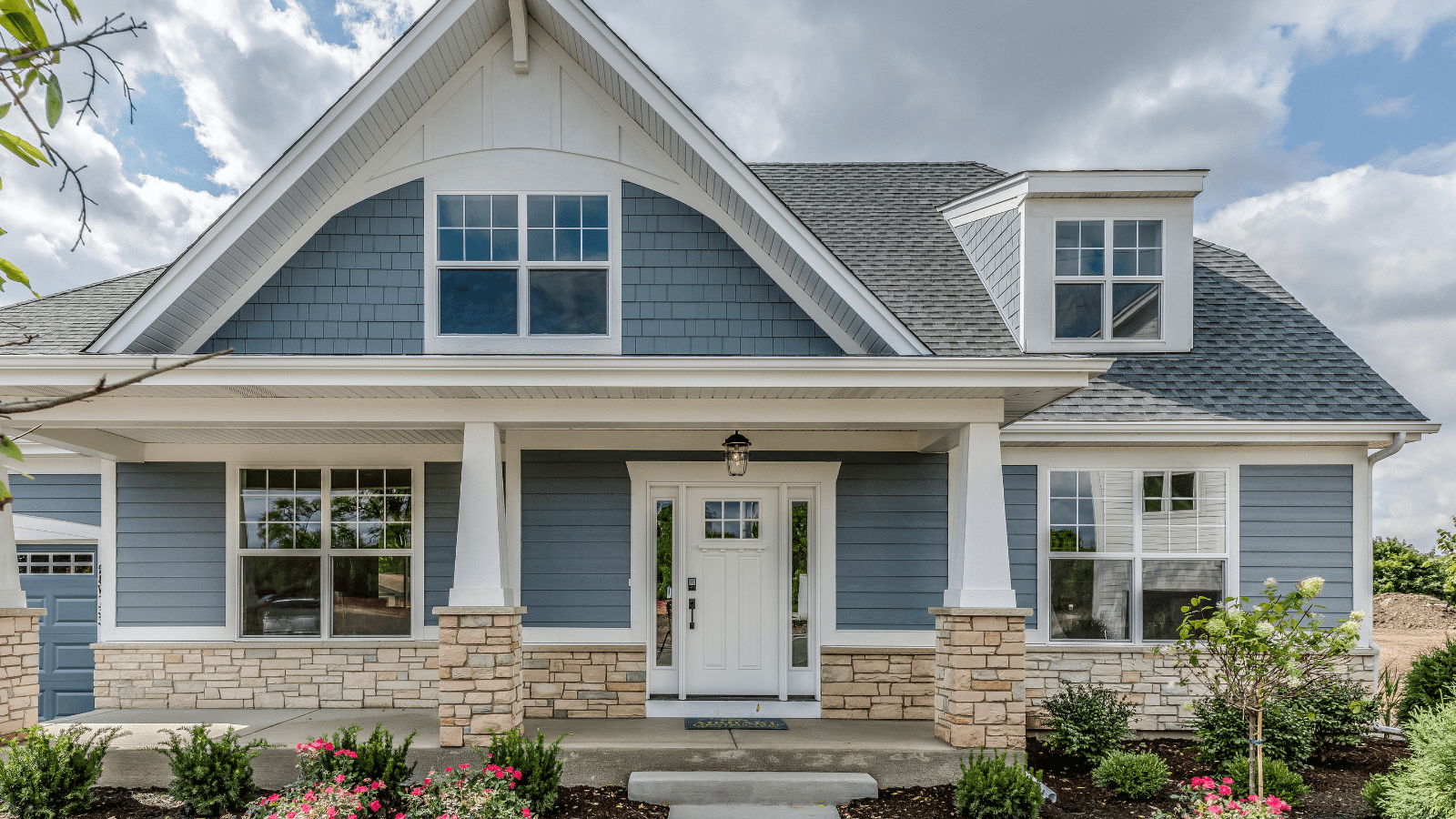
Hybrid designs dominate—rough bases with polished accents for dynamic contrast.
Sustainable Sourcing
Reclaimed or low-impact quarried stones rise, favoring rough for minimal processing.
Tech-Infused Finishes
Smart sealants or integrated lighting under polished for glowing night effects.
Case Studies: Real-World Examples
Inspiration from actual homes.
A Modern Mansion Makeover
LA contemporary went full polished granite—sales price jumped, thanks to that luxurious gleam.
Rustic Retreat Renovation
Colorado cabin embraced rough sandstone, merging seamlessly with rocky terrain.
Urban Apartment Facade
NYC high-rise mixed rough brick-like stone with polished entries—timeless yet fresh.
Sustainability and Environmental Impact
Green building matters more than ever.
Quarrying Concerns
Rough requires less energy, cutting emissions and waste.
Recycling Options
Reclaim old stone for new projects—both finishes work in circular designs.
Long-Term Eco Benefits
Durable exteriors reduce replacements, saving resources over decades.
Cost-Saving Strategies
Smart choices stretch your dollar.
DIY vs. Pro Installation
Rough veneer allows weekend warriors; polished demands precision—hire pros to avoid costly fixes.
Bulk Buying Tips
Source locally to slash transport fees and support regional quarries.
Financing Your Project
Seek green rebates or energy-efficient home improvement loans.
Expert Opinions on Stone Choices
Pros weigh in.
Architect Insights
One top designer quips, “Polished delivers instant impact; rough builds soul over time.”
Contractor Advice
“Always mock up samples in your actual sunlight—colors and sheens transform.”
Homeowner Stories
Many regret unsealed polished facades turning spotty; others love rough’s zero-fuss aging.
Future-Proofing Your Exterior
Plan for tomorrow.
Adaptable Designs
Choose versatile mixes that evolve with trends.
Resale Value Boost
Polished often attracts premium buyers; rough appeals to timeless seekers.
Innovation on the Horizon
Engineered or lab-grown stones offer identical finishes with reduced mining impact—watch this space!
Whoa, we’ve covered a lot, haven’t we? From the shiny allure of polished stones to the grounded charm of rough ones, it’s clear there’s no one-size-fits-all. Ultimately, the best finish is the one that makes you smile every time you pull into your driveway. It should reflect your style, suit your climate, and fit your life. So, grab some samples, test them out, and build that dream exterior. Your home deserves it!
FAQs
1. What’s the main difference between polished and rough stone finishes?
Polished is smooth and shiny, like a waxed car, while rough is textured and natural, like a hiking trail. Polished reflects light; rough absorbs it.
2. Which finish is better for a rainy climate?
Rough might drain better, but polished with proper sealing resists moisture well. It depends on the stone type—always consult local experts.
3. Can I mix polished and rough stones on my exteriror?
Absolutely! Mixing adds depth, like polished accents on rough walls for contrast. Just ensure they complement each other in color.
4. How often do I need to maintain polished stone exteriors?
Typically, clean monthly and seal yearly. It’s low-effort compared to rough, which might need brushing more often to prevent moss.
5. Are rough finishes more eco-friendly than polished?
Yes, often, because they require less processing and energy. But check sourcing—sustainable quarries make both greener choices.
