 Home Tech Exterior
Have you ever dreamed of a home that whispers tales of sun-kissed shores and ancient villas? That’s the allure of Mediterranean exterior designs. As a content writer who’s dived deep into home aesthetics, I can tell you it’s like wrapping your house in a cozy blanket of timeless elegance. In this article, we’ll explore how these designs transform custom homes into stunning masterpieces. Whether you’re building from scratch or revamping an old place, get ready for a journey through colors, textures, and that magical vibe that makes every sunset feel like a postcard.
Understanding the Roots of Mediterranean Style
Diving Deeper into the Ancient Origins
Let’s really unpack this, shall we? Mediterranean architecture isn’t just one thing—it’s a beautiful mash-up of cultures that have been trading ideas across the sea for thousands of years. It all kicks off in ancient times with the Greeks and Romans, who laid the groundwork. Think massive stone structures, graceful arches, and open courtyards designed to catch those cooling breezes. Roman villas, for instance, were luxurious retreats with atriums that let light flood in while keeping the heat at bay. These weren’t just homes; they were statements of wealth and ingenuity, built to harmonize with the hot, dry climate.
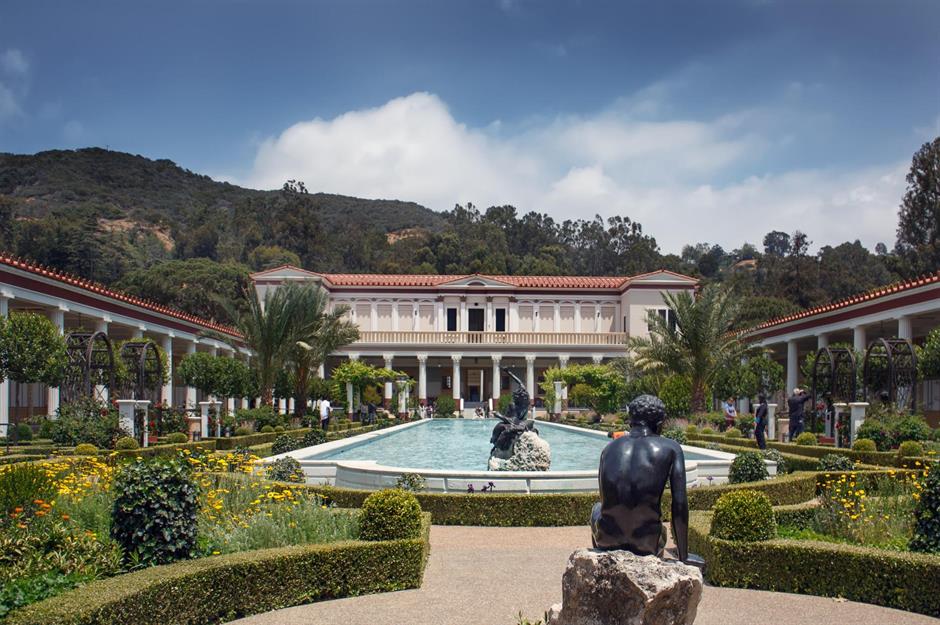
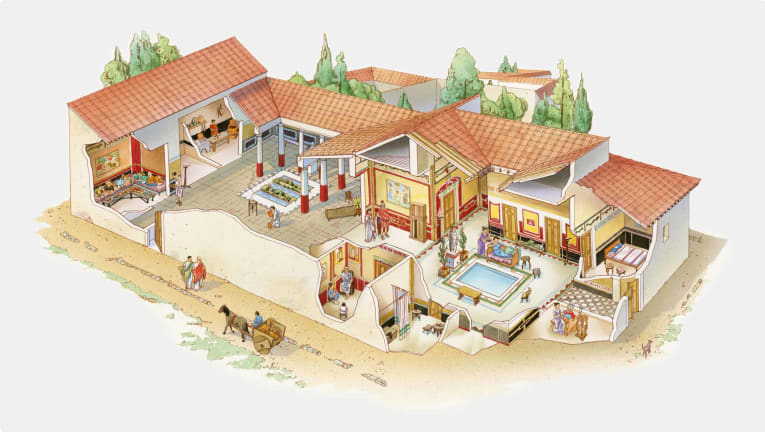

Imagine living in one of those ancient Roman villas—gardens everywhere, frescoes on the walls, and views stretching to the horizon. That’s the foundation we’re talking about here.
The Moorish and Islamic Influences: A Game-Changer
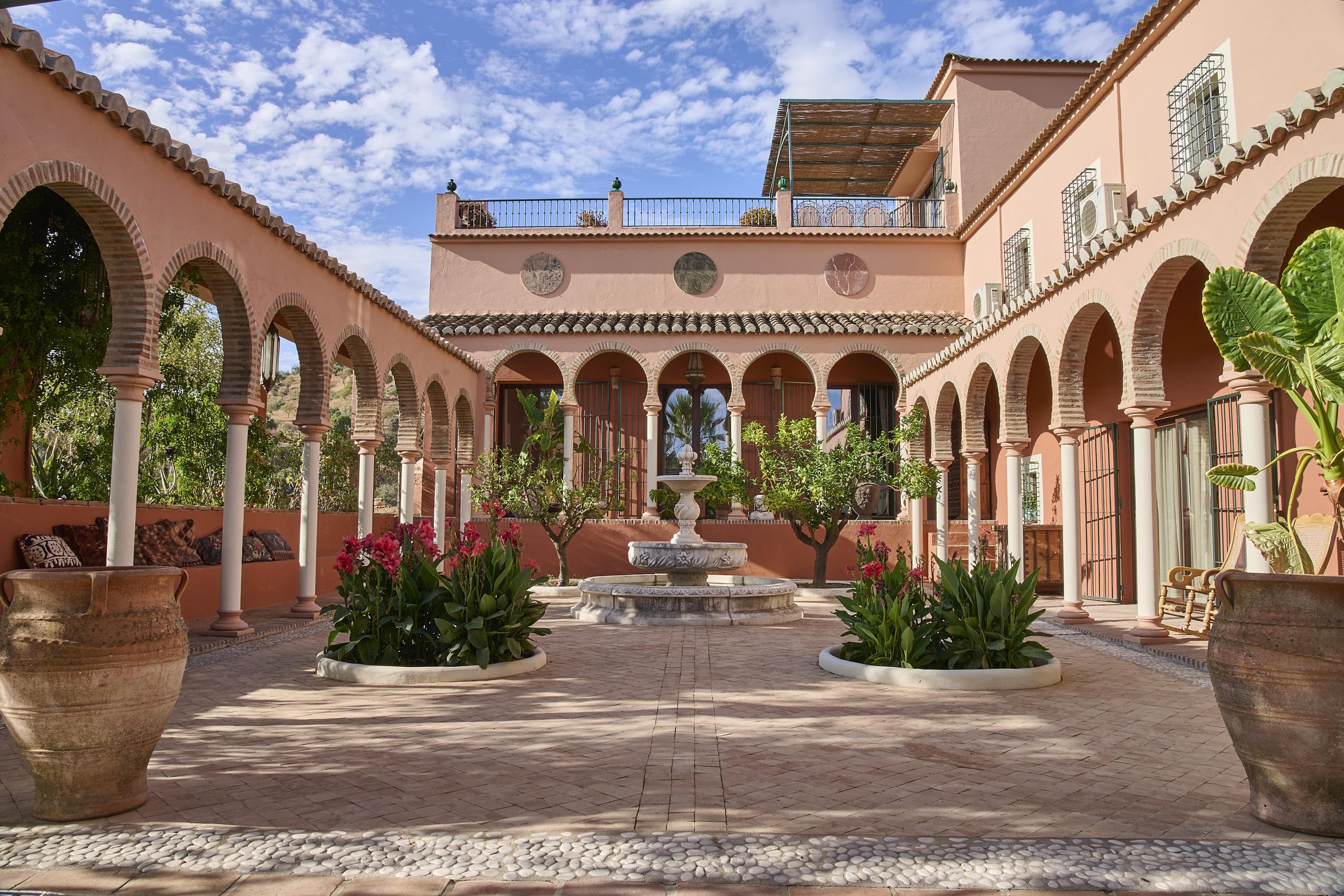
Fast-forward to the Middle Ages, and the Moors bring their magic from North Africa and the Islamic world into Spain. Suddenly, you’ve got intricate tilework, horseshoe arches, and lush inner courtyards with fountains bubbling away. Places like the Alhambra in Granada show this blend perfectly—it’s ornate yet functional, all about shade and water in scorching summers. This Moorish touch added that exotic flair, with geometric patterns and vibrant colors that still make Mediterranean designs feel so alive.
How Spain Became a Melting Pot
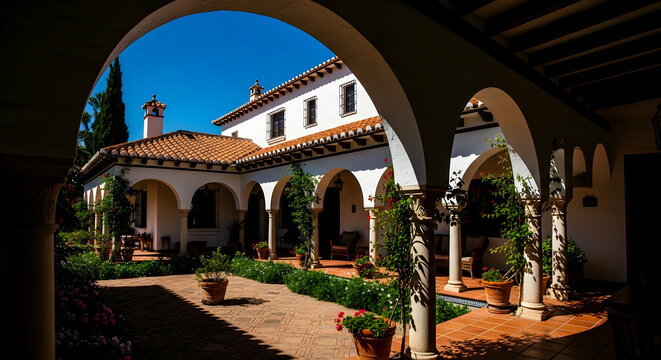
Spain, especially Andalusia, turned into this incredible crossroads. Roman bases got topped with Islamic details, and later, Christian reconquest added Renaissance twists. The result? Those classic Spanish haciendas with central patios where life revolves around outdoor living. No wonder courtyards are such a big deal in Mediterranean homes today—they’re perfect for family gatherings, shielded from the sun but open to the stars.

Italian Renaissance: Elegance and Symmetry
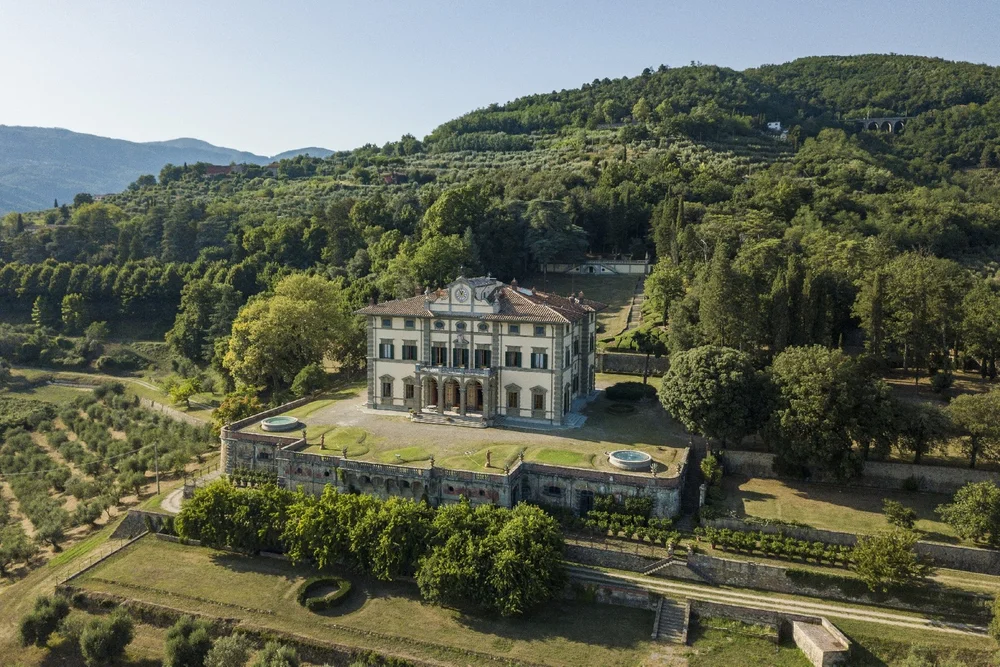
Over in Italy, the Renaissance revived classical Greek and Roman ideas but with a polished, symmetrical vibe. Tuscan villas emerged as rustic yet refined farmhouses-turned-estates, with cypress-lined driveways, stone facades, and low-pitched roofs covered in terracotta tiles. These weren’t flashy; they were about balance, proportion, and blending into the rolling countryside. Think olive groves framing a villa that looks like it’s been there forever—that’s pure Tuscan magic.


Greek Contributions: Simplicity and Brilliance
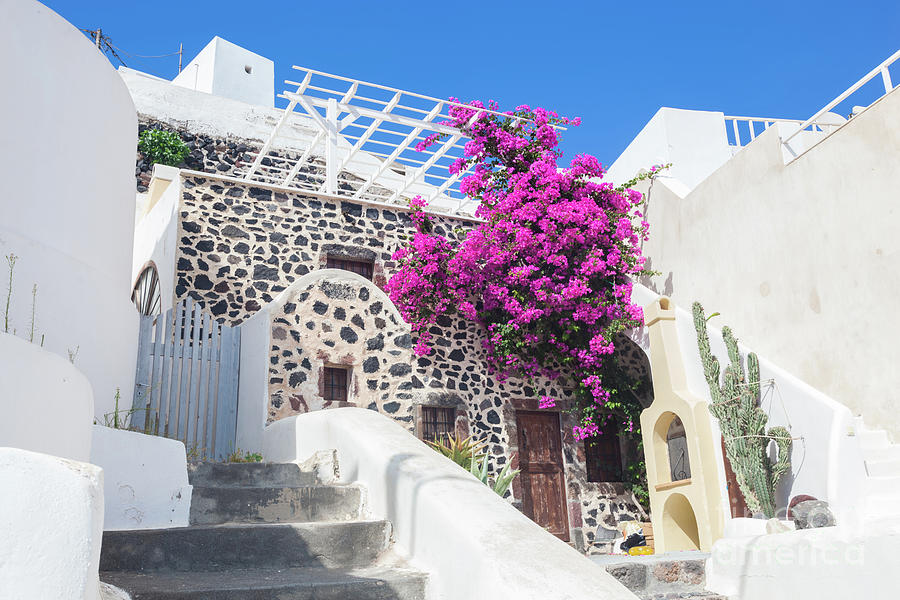
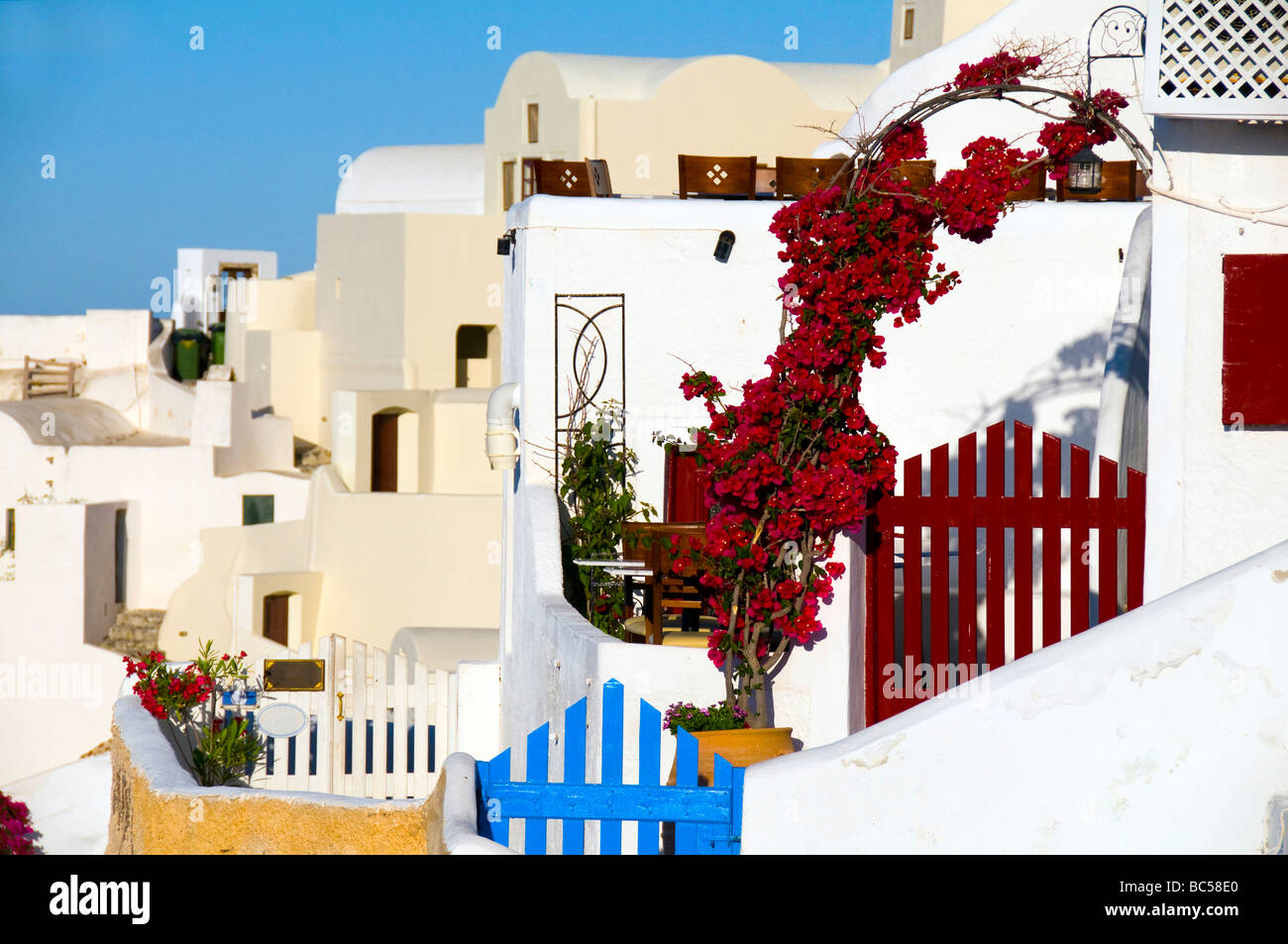
Don’t sleep on Greece! The Cycladic islands, like Santorini, gave us those iconic whitewashed buildings stacked on cliffs. Thick walls for insulation, flat roofs, blue domes echoing the sea—it’s all about reflecting heat and maximizing views. These homes were practical for island life: small windows to block wind, bright white to stay cool. That minimalist aesthetic? It’s influenced everything from modern resorts to custom homes craving that effortless charm.

Other Regional Flavors: Morocco, France, and Beyond
Morocco adds vibrant zellige tiles and riad-style enclosed gardens. Southern France brings in lighter, more Provencal touches with lavender fields in mind. Even Venetian Gothic sneaks in with ornate details. It’s this eclectic mix that makes Mediterranean style so adaptable—no two homes feel exactly the same.
The Big Revival in America: From Europe to Florida and California
Okay, here’s where it gets exciting for custom homes today. In the late 19th and early 20th centuries, Americans fell in love with this European glamour. The Mediterranean Revival hit big in the 1920s and 1930s, especially in warm spots like Florida and California. Wealthy folks wanted that leisure vibe—think seaside villas evoking Italian palazzos or Spanish estates.
Architects like Addison Mizner in Florida turned Palm Beach into a Mediterranean paradise, with twisted columns and sprawling courtyards. In California, Bertram Goodhue and others mixed it with local mission styles. It boomed because railroads and cars made travel easier; people vacationed in Europe and wanted to bring that romance home. Suddenly, red-tiled roofs and stucco walls were everywhere, symbolizing luxury and escape.
Why It Was Practical, Not Just Pretty
All these historical elements weren’t random. Thick stucco walls insulate against heat. Low-pitched roofs with clay tiles drain rain efficiently (and look amazing). Arches provide structural support while allowing airflow. In hot climates, it’s genius—cool interiors by day, warm at night. That’s why it translated so well to places like the American Southwest or coastal areas.
Evolution Over Centuries: From Necessity to Luxury
What started as climate-smart building in ancient times evolved through cultural exchanges—Romans conquering, Moors invading, Renaissance humanists rediscovering classics. By the 20th century, it became a symbol of the good life. Today, for custom homes, we cherry-pick these roots: a Tuscan roof here, Greek whitewash there, Spanish courtyard in the center. It’s timeless because it’s rooted in real living, not just trends.
Have you ever visited a place that felt like this—maybe a villa in Italy or a cliffside home in Greece? That’s the magic we’re channeling. In custom builds, understanding these roots lets you create something authentic, not just a copy. A little typo in history books might say “Mediteranean,” but the real deal is spellbinding.
Why It Fits Custom Homes Today
Back to modern times—in 2026, with everyone craving that work-from-home oasis, Mediterranean roots shine. You can personalize: go heavy on Italian symmetry for formality or Greek simplicity for minimalism. It’s versatile, sustainable (natural materials, passive cooling), and just feels good. Plus, it boosts curb appeal like nothing else.
This deeper dive shows why Mediterranean isn’t a fad—it’s a rich tapestry woven over millennia. Ready to weave some into your dream home?
Key Elements of Mediterranean Exteriors
Mediterranean exterior design originates from the coastal regions of Southern Europe, particularly Spain, Italy, Greece, and southern France. Rooted in centuries-old building traditions, this architectural style responds to warm climates while expressing a relaxed elegance that blends indoor and outdoor living. Mediterranean exteriors are defined by natural materials, warm colors, handcrafted details, and forms that feel organic rather than rigid.
One of the most prominent characteristics of Mediterranean architecture is its architectural form. Buildings typically feature low-pitched or flat roofs, asymmetrical layouts, and thick masonry walls. Rounded corners and arched openings soften the structure, creating a sculptural quality that feels timeless and welcoming. Courtyards are often central to the design, providing shaded outdoor spaces that enhance privacy and encourage natural ventilation.
The roof design is a defining visual element. Clay or terracotta roof tiles—often barrel-shaped—are widely used and instantly recognizable. Their warm, earthy tones complement the surrounding landscape while helping regulate temperature. Exposed wooden beams and extended roof overhangs further contribute to both aesthetic appeal and climate control by providing shade.
Exterior materials play a crucial role in achieving authenticity. Stucco is the most common wall finish, ranging from smooth to lightly textured surfaces, often applied in warm white, cream, or sand hues. Natural stone, such as limestone or travertine, is frequently incorporated as accents on façades, columns, garden walls, and pathways. Wood is another essential material, appearing in doors, shutters, pergolas, and roof beams, typically left in natural or dark-stained finishes to enhance its rustic character.
The color palette of Mediterranean exteriors is inspired by nature. Neutral base colors reflect sunlight and help keep interiors cool, while accent colors draw from the surrounding environment—terracotta reds, olive greens, deep sea blues, and sun-faded yellows. These hues are often applied sparingly to shutters, doors, tiles, and decorative details, creating visual warmth without overwhelming the façade.
Windows and doors are both functional and expressive elements. Windows are usually tall and narrow, sometimes arched, and set deep within thick walls. Wooden or metal shutters are common, offering protection from heat while adding texture and rhythm to the exterior. Doors are often heavy, solid wood, featuring arched tops, carved details, or iron studs that reflect traditional craftsmanship.
Decorative wrought ironwork is another hallmark of Mediterranean design. Hand-forged iron appears in balcony railings, window grilles, gates, and lighting fixtures. Typically finished in black, bronze, or aged iron, these elements introduce contrast and artisanal detail to the otherwise earthy surfaces.
Outdoor living is fundamental to the Mediterranean lifestyle. Terraces, patios, and courtyards serve as extensions of the home, paved with stone or terracotta tiles and shaded by pergolas or vines. Water features such as fountains are commonly included, providing both visual interest and a cooling effect. These spaces are designed for socializing, dining, and relaxation in harmony with nature.
Landscaping is intentionally simple and drought-resistant. Olive trees, cypress, lavender, rosemary, bougainvillea, and citrus plants are typical choices, reinforcing the regional identity while requiring minimal water. Gravel paths, stone paving, and terracotta pots complete the landscape, maintaining a balance between structure and natural growth.
Tiles and decorative surfaces add color and artistry to Mediterranean exteriors. Hand-painted ceramic tiles and mosaics are often used on stair risers, courtyard floors, fountains, and entry thresholds. These details introduce pattern and cultural expression while remaining durable in outdoor conditions.
Lighting is designed to create a warm, inviting atmosphere. Wall-mounted lanterns, iron sconces, and low-level pathway lights emit soft, golden illumination that enhances texture and shadow rather than overpowering the architecture. The goal is subtle ambiance rather than brightness.
At its core, Mediterranean exterior design is climate-responsive. Thick walls, light-colored finishes, shaded spaces, and controlled openings work together to regulate temperature naturally. This approach reflects a deep understanding of environment and sustainability long before modern technology.
Incorporating Arches and Windows
The Charm of Arched Entrances
Arches aren’t just structural; they’re inviting. In custom homes, you can design grand archways that lead to courtyards, making guests feel like royalty stepping into a palace.
Window Styles for Light and Air
Large, multi-paned windows with wrought-iron grilles let in tons of natural light. They’re like eyes of the house, winking at the landscape. For privacy, add shutters in wood or metal—functional and fabulous.
Balconies and Terraces
No Mediterranean home is complete without balconies. Overlooking gardens or pools, they extend living spaces outdoors. Think Juliet balconies for upper floors, adding romance without much space.
Doors and Entryways That Welcome
Grand Front Doors
Your front door sets the tone. Opt for heavy wooden doors with intricate carvings or iron hardware. It’s like the handshake of your home—firm, warm, and memorable.
Hardware and Accents
Knobs, hinges, and knockers in aged bronze or brass add authenticity. I’ve always thought they tell a story, like jewelry on a favorite outfit.
Landscaping Synergy
Gardens That Complement the Exterior
Mediterranean designs thrive with lush landscapes. Olive trees, lavender bushes, and citrus groves frame the house beautifully. It’s about creating harmony, where the building and nature dance together.
Water Features for Serenity
Fountains or reflecting pools? Yes, please! They cool the air and add that soothing sound. In custom homes, integrate them into patios for a spa-like feel.
Pathways and Courtyards
Stone pathways winding through courtyards invite exploration. Use pebbles or flagstones for that authentic touch—practical for all-weather access.
Materials That Define Elegance
Stone and Brick Usage
Natural stone facades bring texture and durability. Limestone or sandstone works wonders, aging gracefully like fine wine.
Stucco vs. Other Finishes
Stucco is king, but veneers or faux finishes can mimic it affordably. For custom builds, layer it thick for insulation benefits.
Sustainable Material Choices
In today’s world, eco-friendly options like recycled tiles or low-VOC paints fit right in. They’re green without sacrificing style.
Color Schemes for Timeless Appeal
Neutral Bases with Bold Accents
Start with whites and creams, then splash in olives or terracottas. It’s balanced, like a well-seasoned meal.
Seasonal Color Adaptations
Depending on your climate, adjust hues. Warmer tones for cooler areas, cooler blues for hot spots—keeps things fresh.
Painting Techniques
Faux finishes like sponging add depth. It’s an art form, turning plain walls into canvases.
Modern Twists on Classic Designs
Blending with Contemporary Elements
Who says Mediterranean can’t go modern? Add glass elements or minimalist lines for a fresh take. It’s like fusing grandma’s recipe with new ingredients.
Smart Home Integrations
Incorporate solar panels that blend with tiled roofs or automated shutters. Tech meets tradition seamlessly.
Energy-Efficient Upgrades
LED lighting in arches or insulated windows—saves money while looking elegant.
Benefits of Mediterranean Exteriors
Aesthetic and Emotional Perks
These designs evoke peace and joy. Walking up to your home feels like a hug from the Mediterranean Sea itself.
Practical Advantages
Heat-resistant materials mean lower cooling costs. Plus, they’re low-maintenance in many climates.
Value Addition to Property
Custom homes with this style often appreciate faster. Buyers love that exotic flair.
Planning Your Custom Home Exterior
Working with Architects
Hire pros who specialize in Mediterranean styles. Share your vision—sketches help!
Budgeting Considerations
Expect higher initial costs for quality materials, but long-term savings balance it out.
Permits and Regulations
Check local codes; some areas have historic preservation rules.
Case Studies: Real-World Inspirations
A Tuscan-Inspired Villa in California
Picture a sprawling estate with red roofs and vine-covered walls. Owners added a pizza oven patio—pure magic.
Greek Revival in Florida
White stucco, blue accents, and sea views. It’s resort living at home.
Spanish Colonial in Texas
Arched colonnades and fountains make this custom build a standout.
Maintenance Tips for Longevity
Routine Cleaning Routines
Wash stucco yearly; inspect tiles for cracks. Simple steps keep it pristine.
Seasonal Upkeep
Winterize fountains, prune plants—prevents damage.
Professional Services
Hire experts for roof repairs; DIY can lead to costly mistakes.
Cost Factors in Design
Material Expenses
Tiles and stone aren’t cheap, but bulk buys save dough.
Labor and Installation
Skilled craftsmen charge premium, but worth it for elegance.
Hidden Costs to Watch
Permits, landscaping—budget extra.
Sustainability in Mediterranean Designs
Eco-Friendly Practices
Use native plants to save water; solar tiles for energy.
Green Building Certifications
Aim for LEED; boosts resale value.
Water Conservation Features
Rain barrels under roofs—smart and sustainable.
Regional Variations Across the Globe
Italian Influences
Rolling hills inspire earthy tones and vineyards.
Spanish Flair
Bold colors, intricate tiles—fiesta ready.
Greek Simplicity
White and blue, minimalist yet majestic.
DIY Elements for Enthusiasts
Small Projects to Start
Paint accents or add planters—easy wins.
Tools and Materials Needed
Basic brushes, sealants—keep it simple.
When to Call Pros
For structural changes, always.
Overcoming Common Challenges
Climate Adaptations
In rainy areas, enhance drainage.
Space Constraints
Even small lots can shine with vertical elements.
Budget Hacks
Mix high-end with affordable dupes.
Inspiring Future Trends
Tech-Infused Exteriors
AR previews before building—cool, huh?
Hybrid Styles Emerging
Mediterranean meets Scandinavian—minimal magic.
Personalization Peaks
Custom carvings tell your story.
Bringing It All Together
Mediterranean exteriors aren’t just designs; they’re lifestyles. They blend beauty, function, and a touch of wanderlust into your custom home.
Wrapping up, embracing Mediterranean magic in your custom home’s exterior isn’t just about looks—it’s about creating a sanctuary that stands the test of time. From those iconic arched doorways to the warm stucco walls, every element tells a story of elegance and comfort. Whether you’re in a bustling city or a quiet suburb, this style adapts, enchants, and endures. So, why not let a bit of that seaside charm into your life? Your dream home awaits, ready to sparkle under the sun. And remember, a little typo in planning—like mistaking “stuco” for stucco—won’t derail the beauty if your heart’s in it.
FAQs
What makes Mediterranean exterior designs so popular for custom homes?
They’re timeless, versatile, and evoke a vacation feel year-round. Plus, they boost curb appeal and property value effortlessly.
Can I incorporate Mediterranean elements into a modern home without it looking outdated?
Absolutely! Blend in sleek lines, glass features, or neutral palettes for a contemporary twist that honors the classics.
How much does it typically cost to add Mediterranean features to a custom build?
It varies, but expect $50,000 to $200,000 extra, depending on materials and scale. Budget for quality to avoid regrets.
Are Mediterranean designs suitable for all climates?
Mostly yes, with adaptations. In colder areas, add insulation; in wet ones, enhance waterproofing for longevity.
Where can I find inspiration for my own Mediterranean exterior project?
Look at online galleries, visit historic sites, or consult architects. Magazines and apps offer virtual tours too.
